X-Plane
Pipistrel Panthera ↗
Pipistrel's streamlined four-seat composite-aircraft design.
1 implementations+ Compare
Explore the aircraft. Find your simulator. Follow the sources.
Pipistrel's streamlined four-seat composite-aircraft design.
A twin-turbine Huey descendant with a four-blade main rotor.
The second-generation Harrier, designed around vectored thrust and short-field operation.
A four-seat, pressurised kit aircraft with a composite airframe and retractable landing gear.
The Wilga is the real-aircraft starting point for Mike Patey's DRACO and the simulator's DRACO X.
The H130 utility helicopter, descended from the AS350 and fitted with a Fenestron.
A cabin biplane with the lower wing placed ahead of the upper one.
A light tandem-seat taildragger built around the familiar braced high-wing layout.
A lightweight pusher family with an enclosed cabin and a high, braced wing.
A streamlined light twin helicopter, with the later Bell 230 in the same family.
A personal jet with one engine above the rear fuselage and a distinctive V-tail.
An all-metal sport and touring aircraft from Bayerische Flugzeugwerke.
A pressurised touring twin whose piston and turbine-conversion versions make a particularly interesting comparison.
A four-seat touring family whose Commander 114 added a larger engine and further refinements.
A very large single-engine biplane designed for practical work from modest airfields.
A self-launching sailplane family with its engine inside the fuselage and a folding nose propeller.
A six-engine flying boat created for long-distance passenger travel over water.
Regional flying built around a high wing, two turboprops and short sectors.
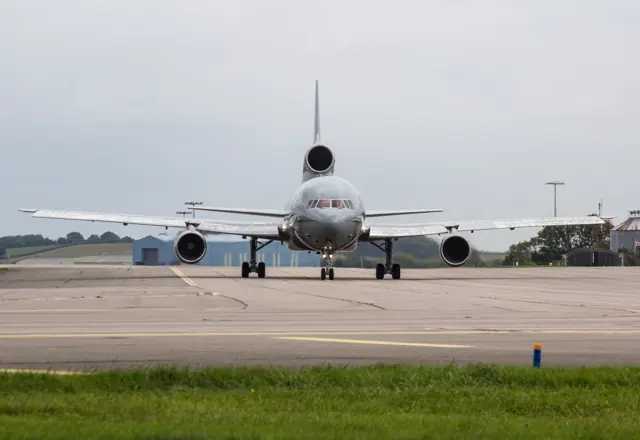
Lockheed's wide-body TriStar, with three RB211 engines and a distinctive tail intake.
A military liaison aircraft built around a high wing, tandem cabin and short-field utility work.
An enclosed-cabin development of the Bell 47, shaped for passenger and executive transport.
A narrow-body twin developed as a new generation of medium-range airliner.
A rear-engined trijet built to bring jet service to shorter routes and smaller airports.
The purpose-built Ryan monoplane used by Charles Lindbergh for his 1927 solo Atlantic crossing.
This is AirframeDB’s first release. More features and aircraft research are planned. Leave your email if you’d like occasional updates.