MSFS
Beechcraft Duke ↗
A pressurised touring twin whose piston and turbine-conversion versions make a particularly interesting comparison.
1 implementations+ Compare
Explore the aircraft. Find your simulator. Follow the sources.
A pressurised touring twin whose piston and turbine-conversion versions make a particularly interesting comparison.
A cabin-class piston twin designed for commuter, cargo and utility work.
An advanced trainer known around the world as the Texan, Harvard and SNJ.
A low-wing agricultural Cessna with a cockpit and hopper arranged around the job.
A shorter wide-body Airbus from the transition to two-pilot, electronic-instrument cockpits.
A heavy-lift helicopter built around an open frame and an external working load.
A four-seat high-wing single that spans generations of conventional instruments and glass cockpits.
A Brazilian light trainer with a high wing, tandem seats and a simple utility layout.
A single-seat aerobatic monoplane that also became a familiar air-racing aircraft.
A modern composite twin with a roomy cabin and two wing-mounted piston engines.
A modern medium twin-engine helicopter developed as a successor to the Dauphin line.
Cessna's retractable-gear Centurion, a high-wing touring aircraft.
A high-wing utility aircraft known for short-field work and a broad choice of working configurations.
A compact rear-engined jet designed for short-haul regional airline work.
A British utility twin built around short regional and practical transport work.
A small three-engine demonstrator created to explore technologies for a future supersonic airliner.
A pressurised twin turboprop with a canard, composite airframe and rear-facing propellers.
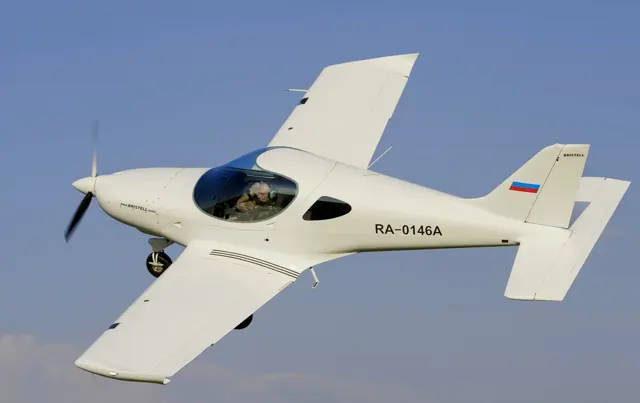
BRM Aero's two-seat B23, represented in MSFS by Airfoillabs.
Tecnam's two-seat, low-wing Sierra, introduced in the early 2000s.
A radial-engine trainer that also served in combat and civilian warbird roles.
The Wilga is the real-aircraft starting point for Mike Patey's DRACO and the simulator's DRACO X.
A five-seat turbine helicopter developed from Robinson's smaller piston-helicopter line.
An enclosed, two-seat autogyro with side-by-side seating and a pusher propeller.
A 1920s transport family that developed from a single-engine airliner into a trimotor.
This is AirframeDB’s first release. More features and aircraft research are planned. Leave your email if you’d like occasional updates.