X-Plane
Lockheed SR-71 ↗
A specialised reconnaissance aircraft designed for very high altitude and sustained supersonic flight.
1 implementations+ Compare
Explore the aircraft. Find your simulator. Follow the sources.
A specialised reconnaissance aircraft designed for very high altitude and sustained supersonic flight.
A four-engine Airbus wide-body developed in parallel with the A330.
A personal jet with one engine above the rear fuselage and a distinctive V-tail.
A small observation-helicopter family with a rounded cabin and compact rotor system.
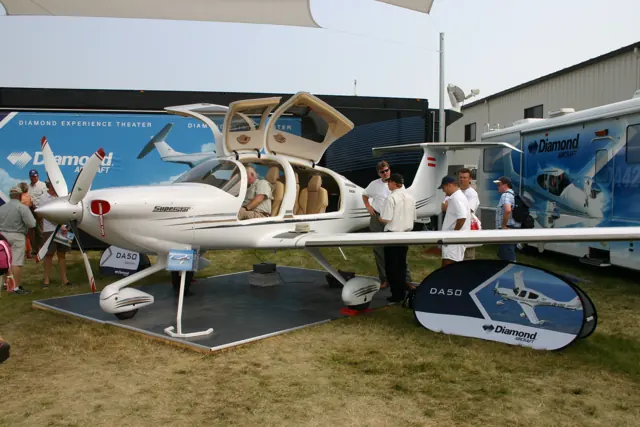
A five-seat composite single whose development led to the diesel DA50 RG.
A two-seat, twin-engine fighter that served naval and land-based air forces in many roles.
A four-engine airliner that brought pressurised-cabin travel into scheduled service.
A long-range trijet developed from the DC-10 with a stretched fuselage and revised wing and cockpit.
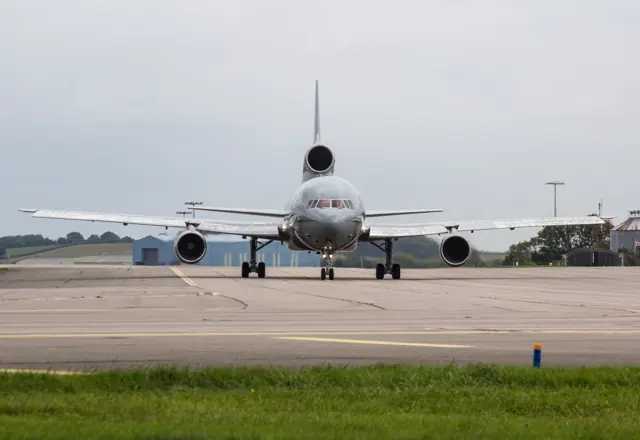
Lockheed's wide-body TriStar, with three RB211 engines and a distinctive tail intake.
A pressurised single turboprop with a large cargo door and a broad range of working roles.
A cabin-class piston twin designed for commuter, cargo and utility work.
Mooney's four-seat piston family, developed through many touring-aircraft variants.
A stretched development of the DC-9 with rear-mounted engines and a five-abreast cabin.
The four-engine wide-body whose raised flight deck created one of aviation's most recognisable profiles.
The purpose-built Ryan monoplane used by Charles Lindbergh for his 1927 solo Atlantic crossing.
A four-seat, pressurised kit aircraft with a composite airframe and retractable landing gear.
A purpose-built agricultural aircraft that also became a single-engine air tanker.
A very light twin jet developed from the Eclipse 500.
An enclosed, two-seat autogyro with side-by-side seating and a pusher propeller.
A lightweight short-field aircraft with a specialised wing and tall, shock-absorbing landing gear.
A compact rear-engined jet designed for short-haul regional airline work.
A close-air-support aircraft with a straight wing, twin tail and two widely separated jet engines.
A twin-engine business jet designed to retain some of the utility flexibility associated with the PC-12.
A 1920s transport family that developed from a single-engine airliner into a trimotor.
This is AirframeDB’s first release. More features and aircraft research are planned. Leave your email if you’d like occasional updates.