X-Plane
De Havilland DHC-1 Chipmunk ↗
A Canadian tandem-seat trainer developed after the Second World War.
1 implementations+ Compare
Explore the aircraft. Find your simulator. Follow the sources.
A Canadian tandem-seat trainer developed after the Second World War.
A military transport developed from the DC-3, used for cargo, troops, parachuting and glider towing.
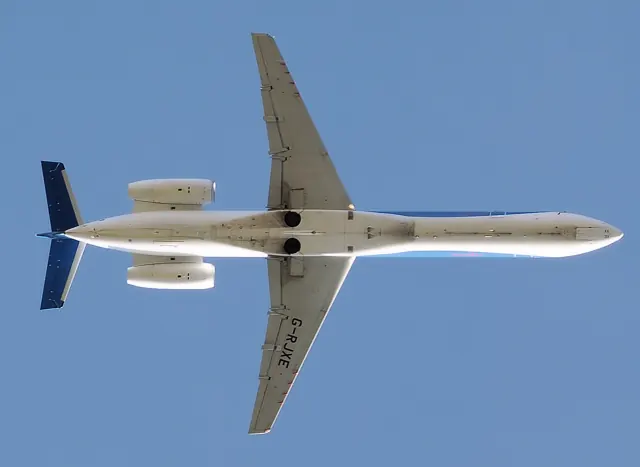
Embraer's regional-jet family, from the ERJ 135 to the longer ERJ 145.
A twin-turboprop utility aircraft developed by Reims Aviation with Cessna.
A modern composite twin with a roomy cabin and two wing-mounted piston engines.
A vast inter-war flying boat with twelve engines arranged in six paired installations.
The Model 525 CitationJet, the starting point of Cessna's CJ and M2 lineage.
An advanced trainer known around the world as the Texan, Harvard and SNJ.
The Stationair utility family, combining a high wing with fixed landing gear.
A narrow-body twin developed as a new generation of medium-range airliner.
A regional turboprop family whose short early versions and larger Q400 have different proportions and systems.
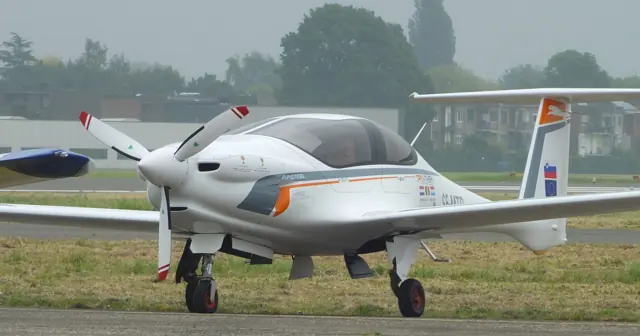
A hybrid-electric regional-airliner concept represented in the simulator while the real programme develops.
The purpose-built Ryan monoplane used by Charles Lindbergh for his 1927 solo Atlantic crossing.
An Italian light aircraft known for military training and aerobatic use.
A twin-engine utility helicopter with roots in the BK 117 and EC145 families.
A purpose-built aerobatic monoplane family developed by pilot and designer Walter Extra.
A twin-turbine Huey descendant with a four-blade main rotor.
A long-range twin designed around a new wide-body airframe and extensive composite construction.
Pipistrel's streamlined four-seat composite-aircraft design.
A 1920s flying boat with two engines arranged in tandem above the wing.
Piper's PA-31 utility twin, used in commuter, cargo and corporate transport.
A compact aerobatic biplane family with both single-seat and tandem-seat branches.
A four-seat, pressurised kit aircraft with a composite airframe and retractable landing gear.
The second-generation Harrier, designed around vectored thrust and short-field operation.
This is AirframeDB’s first release. More features and aircraft research are planned. Leave your email if you’d like occasional updates.