MSFS
Grumman G-44 Widgeon ↗
Grumman’s small twin-engine amphibian: a flying boat with retractable wheels and a life spanning wartime service, private travel and seaplane training.
1 implementations+ Compare
Explore the aircraft. Find your simulator. Follow the sources.
Grumman’s small twin-engine amphibian: a flying boat with retractable wheels and a life spanning wartime service, private travel and seaplane training.
A four-seat piston helicopter with a two-blade main rotor and conventional tail rotor.
A wooden touring-aircraft family recognisable by the upward-angled outer wing panels.
A streamlined light twin helicopter, with the later Bell 230 in the same family.
A five-seat composite single whose development led to the diesel DA50 RG.
The retractable member of Beechcraft’s Musketeer family: a roomy, four-cylinder travelling aircraft with an unusually large baggage door.
A pioneering light helicopter whose bubble cabin and exposed structure became widely recognisable.
A heavy-lift helicopter built around an open frame and an external working load.
The fixed-gear, six-cylinder touring branch of Piper's PA-28 family.
A streamlined twin-engine helicopter with a Fenestron tail rotor and retractable landing gear.
A super-midsize business jet with a swept wing, rear-mounted engines and an integrated glass cockpit.
A long-range fighter whose different engine and canopy developments produced several distinct forms.
A powered hang-glider wing above an amphibious inflatable boat.
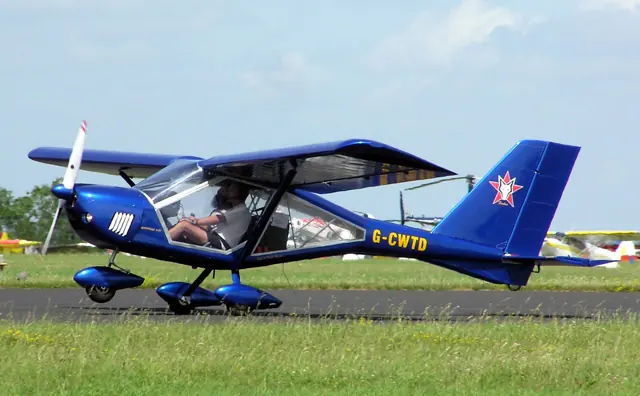
A high-wing light sport aircraft with a broad glazed cabin and tricycle landing gear.
A long-range twin whose programme emphasised composite construction and more electrically powered systems.
Avro's delta-wing bomber, developed for Britain's postwar strategic force.
The four-engine Flying Fortress, a major American bomber of the Second World War.
Diamond's four-seat light twin, developed with diesel-powered versions.
A radial-engine trainer that also served in combat and civilian warbird roles.
A single-seat helicopter originally developed as a homebuilt kit.
A British utility twin built around short regional and practical transport work.
An enclosed, two-seat autogyro with side-by-side seating and a pusher propeller.
An open-cockpit biplane trainer that found a second life in civilian flying.
The second-generation Harrier, designed around vectored thrust and short-field operation.
New aircraft, useful sources and improvements to AirframeDB. Occasional updates, when there’s something to share.