X-Plane
Beechcraft Duchess ↗
Beechcraft's Model 76, designed to introduce pilots to twin-engine flying.
1 implementations+ Compare
Explore the aircraft. Find your simulator. Follow the sources.
Beechcraft's Model 76, designed to introduce pilots to twin-engine flying.
A large amphibious flying boat built around maritime rescue and utility transport.
A light tandem-seat taildragger built around the familiar braced high-wing layout.
A two-seat naval fighter with variable-sweep wings and a cockpit built around pilot and radar-intercept officer roles.
The JetRanger and LongRanger family: a familiar turbine-helicopter shape with distinct cabin lengths.
A radial-engined light transport whose long career covered passengers, freight and military training.
A streamlined twin-engine helicopter with a Fenestron tail rotor and retractable landing gear.
A British jet trainer with tandem seating and a long military training career.
A modern medium twin-engine helicopter developed as a successor to the Dauphin line.
A wooden touring-aircraft family recognisable by the upward-angled outer wing panels.
A twin-aisle Boeing designed alongside the 757's generation of two-pilot flight decks.
A tandem-seat utility aircraft whose light structure and high wing suit bush, towing and recreational work.
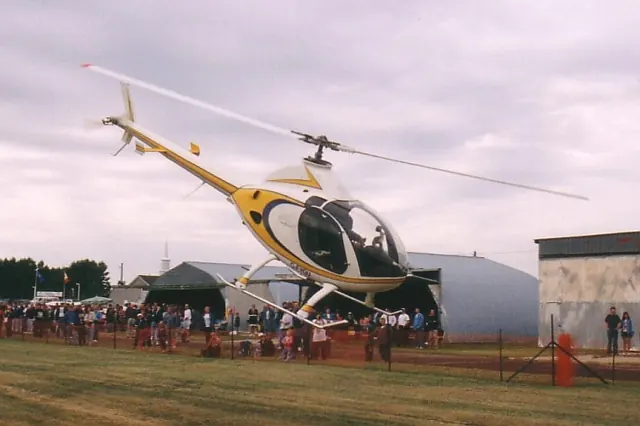
RotorWay's two-seat kit-helicopter family, with piston and turbine simulator interpretations.
An enclosed-cabin development of the Bell 47, shaped for passenger and executive transport.
A two-seat, twin-engine fighter that served naval and land-based air forces in many roles.
The Wilga is the real-aircraft starting point for Mike Patey's DRACO and the simulator's DRACO X.
A British utility twin built around short regional and practical transport work.
A post-war Czech light twin with a rounded cabin and engines carried on a low wing.
Cirrus's first type-certified aircraft, a composite piston single.
A heavy-lift helicopter built around an open frame and an external working load.
A compact utility helicopter distinguished by its enclosed Fenestron tail rotor.
A Canadian tandem-seat trainer developed after the Second World War.
An enclosed, two-seat autogyro with side-by-side seating and a pusher propeller.
A compact Czech touring aircraft with side-by-side seats and a streamlined low-wing airframe.
This is AirframeDB’s first release. More features and aircraft research are planned. Leave your email if you’d like occasional updates.