X-Plane
Piper PA-31 Navajo ↗
Piper's PA-31 utility twin, used in commuter, cargo and corporate transport.
1 implementations+ Compare
Explore the aircraft. Find your simulator. Follow the sources.
Piper's PA-31 utility twin, used in commuter, cargo and corporate transport.
A four-seat high-wing single that spans generations of conventional instruments and glass cockpits.
A military liaison aircraft built around a high wing, tandem cabin and short-field utility work.
A pressurised single-engine turboprop family that combines a compact cabin with retractable gear.
A tandem-seat light aircraft with a streamlined low-wing layout.
A DC-10-derived tanker that combined aerial refuelling with passenger and cargo transport.
A wooden touring-aircraft family recognisable by the upward-angled outer wing panels.
An open, single-seat ultralight with its propeller behind the pilot.
A pressurised single turboprop with a large cargo door and a broad range of working roles.
A small observation-helicopter family with a rounded cabin and compact rotor system.
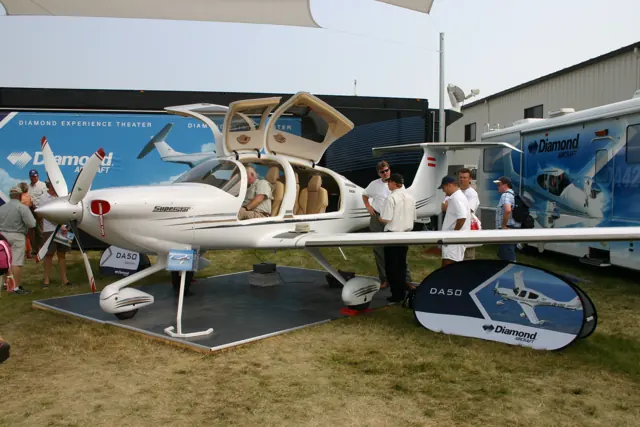
A five-seat composite single whose development led to the diesel DA50 RG.
A low-wing piston twin that carries the Beechcraft touring-aircraft lineage into two-engine flying.
A composite, low-wing touring single with fixed gear and a turbocharged engine.
The Model 525 CitationJet, the starting point of Cessna's CJ and M2 lineage.
SOCATA's touring-aircraft family, including the Tobago and Trinidad.
A very light twin jet developed from the Eclipse 500.
Beechcraft's Model 76, designed to introduce pilots to twin-engine flying.
The Mitchell medium bomber, named for aviation advocate Billy Mitchell.
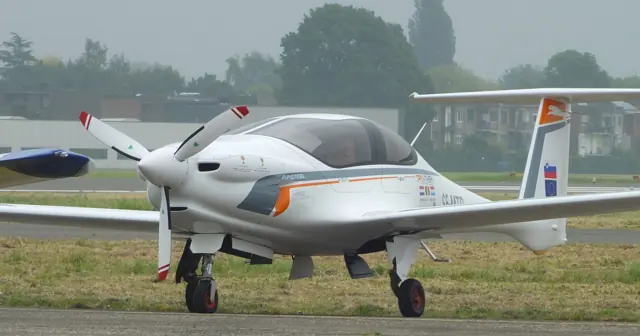
Pipistrel's streamlined four-seat composite-aircraft design.
A small two-seat piston helicopter with a two-bladed main rotor.
The Stationair utility family, combining a high wing with fixed landing gear.
A light turbine helicopter combining an Alouette II airframe with more powerful Alouette III components.
A Polish utility aircraft designed for short takeoffs and landings.
A heavy transport helicopter whose two large rotors remove the need for a tail rotor.
This is AirframeDB’s first release. More features and aircraft research are planned. Leave your email if you’d like occasional updates.