MSFS
Flight Design CTSL ↗
A two-seat composite light-aircraft family with a high wing and a compact enclosed cabin.
2 implementations+ Compare
Explore the aircraft. Find your simulator. Follow the sources.
A two-seat composite light-aircraft family with a high wing and a compact enclosed cabin.
A cabin-class piston twin designed for commuter, cargo and utility work.
A pressurised single turboprop with a large cargo door and a broad range of working roles.
A three-engine airliner that became a mainstay of Soviet and Russian passenger transport.
A low-wing piston twin that carries the Beechcraft touring-aircraft lineage into two-engine flying.
A midsize business jet developed by Bombardier’s Learjet division.
A composite, low-wing touring single with fixed gear and a turbocharged engine.
A composite touring single with a whole-aircraft parachute and several generations of avionics.
A high-wing utility aircraft known for short-field work and a broad choice of working configurations.
An enclosed-cabin development of the Bell 47, shaped for passenger and executive transport.
A twin-radial military transport with a rear ramp and short-field design priorities.
A hybrid-electric regional-airliner concept represented in the simulator while the real programme develops.
A wartime fighter developed from the earlier Curtiss P-36.
A four-engine airliner that brought pressurised-cabin travel into scheduled service.
A lightweight pusher family with an enclosed cabin and a high, braced wing.
A compact aerobatic biplane family with both single-seat and tandem-seat branches.
TorqueSim's Pocket Rocket, a simulated PT6-powered light aircraft with two gear layouts.
A long-range twin whose programme emphasised composite construction and more electrically powered systems.
A personal jet with one engine above the rear fuselage and a distinctive V-tail.
Piper's two-seat trainer with fixed tricycle landing gear.
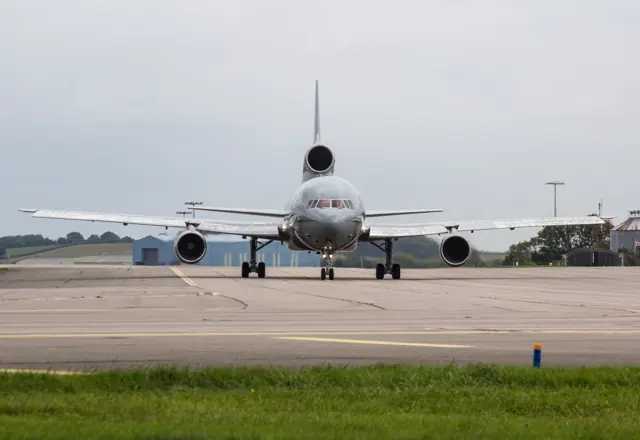
Lockheed's wide-body TriStar, with three RB211 engines and a distinctive tail intake.
An enclosed, two-seat autogyro with side-by-side seating and a pusher propeller.
The Wilga is the real-aircraft starting point for Mike Patey's DRACO and the simulator's DRACO X.
The CJ4 belongs to Cessna's light-jet line, with two rear-mounted engines and a T-tail.
This is AirframeDB’s first release. More features and aircraft research are planned. Leave your email if you’d like occasional updates.