MSFS
Mitsubishi MU-2 ↗
A compact Japanese twin turboprop with a high wing and pressurised cabin.
1 implementations+ Compare
Explore the aircraft. Find your simulator. Follow the sources.
A compact Japanese twin turboprop with a high wing and pressurised cabin.
A low-wing piston family that spans simple trainers, touring aircraft and retractable-gear Arrows.
A compact aerobatic biplane family with both single-seat and tandem-seat branches.
The Stationair utility family, combining a high wing with fixed landing gear.
A streamlined light twin helicopter, with the later Bell 230 in the same family.
A corrugated-metal, three-engine transport from the formative years of airline travel.
A tandem-seat light aircraft with a streamlined low-wing layout.
SOCATA's touring-aircraft family, including the Tobago and Trinidad.
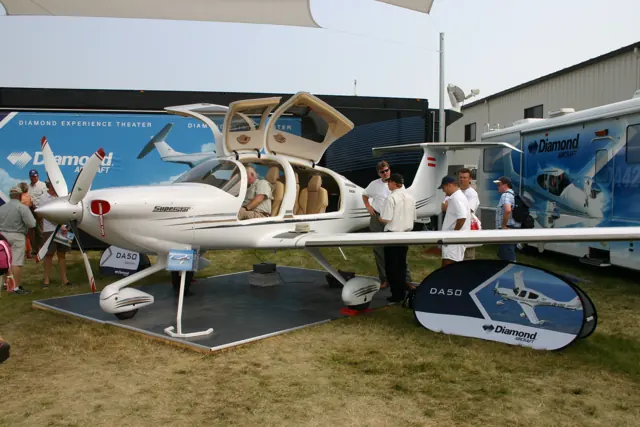
A five-seat composite single whose development led to the diesel DA50 RG.
A push-pull twin with one engine at each end of the central fuselage.
A tandem two-seat sailplane family used for training and cross-country soaring.
An open-cockpit biplane trainer that found a second life in civilian flying.
A two-seat, twin-engine fighter that served naval and land-based air forces in many roles.
A twin-radial military transport with a rear ramp and short-field design priorities.
A compact rear-engined jet designed for short-haul regional airline work.
Tecnam's two-seat, low-wing Sierra, introduced in the early 2000s.
A wooden touring-aircraft family recognisable by the upward-angled outer wing panels.
The second-generation Harrier, designed around vectored thrust and short-field operation.
A regional jet family with four small engines, a high wing and a large split tail airbrake.
A purpose-built aerobatic monoplane family developed by pilot and designer Walter Extra.
Dassault's long-range Falcon 8X, developed from the three-engine 7X.
A four-engine airliner whose history also includes long-range maritime military service.
A personal jet with one engine above the rear fuselage and a distinctive V-tail.
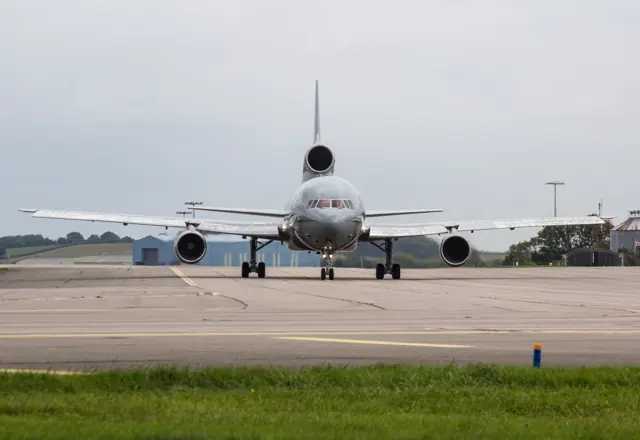
Lockheed's wide-body TriStar, with three RB211 engines and a distinctive tail intake.
This is AirframeDB’s first release. More features and aircraft research are planned. Leave your email if you’d like occasional updates.