MSFS
Fokker 70 / 100 ↗
Two related Dutch regional jets developed from the F28 lineage.
1 implementations+ Compare
Explore the aircraft. Find your simulator. Follow the sources.
Two related Dutch regional jets developed from the F28 lineage.
A modern two-seat piston helicopter designed around the training role.
A small twin-engine amphibian that moved from business transport into military and utility service.
A two-seat Tecnam high-wing aircraft combining composite and metal construction.
A Brazilian light trainer with a high wing, tandem seats and a simple utility layout.
The Mitchell medium bomber, named for aviation advocate Billy Mitchell.
The purpose-built Ryan monoplane used by Charles Lindbergh for his 1927 solo Atlantic crossing.
A utility piston twin designed for commuter and specialist transport missions.
A six-engine heavy transport created for exceptionally large external and internal loads.
An enclosed, two-seat autogyro with side-by-side seating and a pusher propeller.
A long-range twin whose programme emphasised composite construction and more electrically powered systems.
An advanced trainer known around the world as the Texan, Harvard and SNJ.
A rear-engined trijet built to bring jet service to shorter routes and smaller airports.
A super-midsize business jet with a swept wing, rear-mounted engines and an integrated glass cockpit.
A twin-radial military transport with a rear ramp and short-field design priorities.
A single-engine turboprop workhorse for passenger services, freight and remote-area transport.
A modern composite twin with a roomy cabin and two wing-mounted piston engines.
A cabin-class piston twin designed for commuter, cargo and utility work.
A two-seat training single with a high wing and fixed tricycle landing gear.
A streamlined twin-engine helicopter with a Fenestron tail rotor and retractable landing gear.
A tandem two-seat sailplane designed for instruction and broader soaring use.
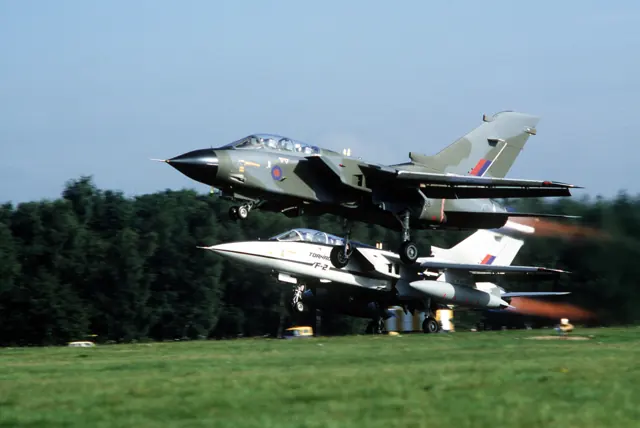
A European variable-sweep combat-aircraft family with distinct strike and interceptor versions.
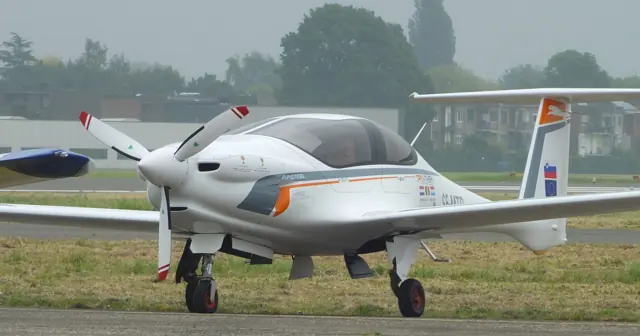
Pipistrel's streamlined four-seat composite-aircraft design.
A twin-turboprop family whose smaller conventional-tail and larger T-tail branches have distinct identities.
This is AirframeDB’s first release. More features and aircraft research are planned. Leave your email if you’d like occasional updates.