MSFS
Draco X ↗
The Wilga is the real-aircraft starting point for Mike Patey's DRACO and the simulator's DRACO X.
1 implementations+ Compare
Explore the aircraft. Find your simulator. Follow the sources.
The Wilga is the real-aircraft starting point for Mike Patey's DRACO and the simulator's DRACO X.
A pioneering light helicopter whose bubble cabin and exposed structure became widely recognisable.
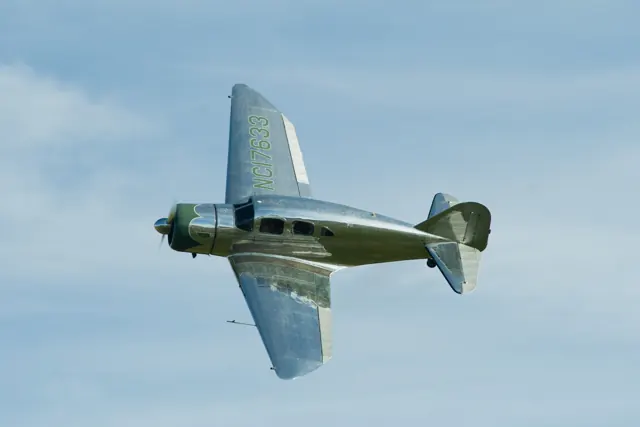
A late-1930s cabin aircraft with metal construction and retractable landing gear.
Lockheed's tandem-seat Shooting Star jet trainer.
A tandem two-seat sailplane designed for instruction and broader soaring use.
A British utility twin built around short regional and practical transport work.
Epic's experimental light-jet project, represented in simulation by Aerobask.
A single-seat competition sailplane offered in Standard and 18-metre configurations.
A compact utility helicopter distinguished by its enclosed Fenestron tail rotor.
The CJ4 belongs to Cessna's light-jet line, with two rear-mounted engines and a T-tail.
A light tandem-seat taildragger built around the familiar braced high-wing layout.
A tandem two-seat sailplane family used for training and cross-country soaring.
A two-seat, twin-engine fighter that served naval and land-based air forces in many roles.
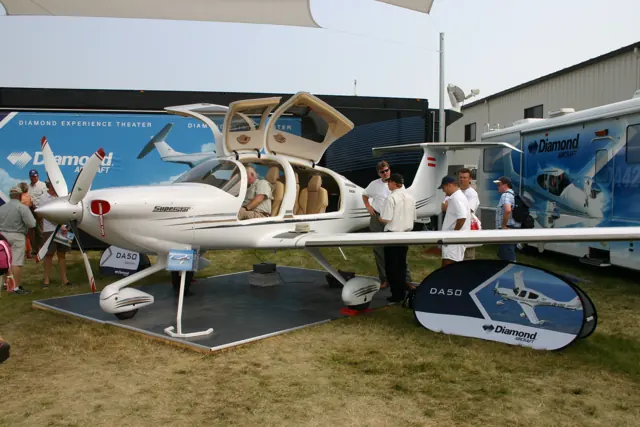
A five-seat composite single whose development led to the diesel DA50 RG.
A six-seat composite single turboprop with a pressurised cabin and retractable gear.
A military liaison aircraft built around a high wing, tandem cabin and short-field utility work.
The JetRanger and LongRanger family: a familiar turbine-helicopter shape with distinct cabin lengths.
A five-seat turbine helicopter developed from Robinson's smaller piston-helicopter line.
A close-air-support aircraft with a straight wing, twin tail and two widely separated jet engines.
A four-seat, pressurised kit aircraft with a composite airframe and retractable landing gear.
A fixed-wing observation aircraft with a helicopter-like view from its glazed nose.
A four-engine tactical transport built around a rear loading ramp and access to austere airfields.
The second-generation Harrier, designed around vectored thrust and short-field operation.
This is AirframeDB’s first release. More features and aircraft research are planned. Leave your email if you’d like occasional updates.