MSFS
Boeing 707-320C ↗
A four-engine jetliner that helped establish the shape of long-distance jet travel.
1 implementations+ Compare
Explore the aircraft. Find your simulator. Follow the sources.
A four-engine jetliner that helped establish the shape of long-distance jet travel.
A single-engine utility helicopter known as the Écureuil, Squirrel and AStar.
A large long-haul twin that introduced Boeing's first commercial fly-by-wire airliner flight controls.
A cabin-class piston twin designed for commuter, cargo and utility work.
A pressurised four-engine piston transport from the last major generation before the jet airliner.
A single-seat competition sailplane offered in Standard and 18-metre configurations.
The Stationair utility family, combining a high wing with fixed landing gear.
An enlarged Velocity kit aircraft with a canard and rear-mounted pusher propeller.
A streamlined light twin helicopter, with the later Bell 230 in the same family.
A tandem two-seat sailplane designed for instruction and broader soaring use.
A carrier-capable multirole fighter, larger than the earlier Hornet from which it developed.
A long-range strategic bomber with a swept wing and eight jet engines in paired pods.
A pressurised twin turboprop with a canard, composite airframe and rear-facing propellers.
A Swedish reconnaissance and dive-bombing aircraft from the early 1940s.
The H130 utility helicopter, descended from the AS350 and fitted with a Fenestron.
A compact twin-engine transport helicopter with retractable gear and a long development history.
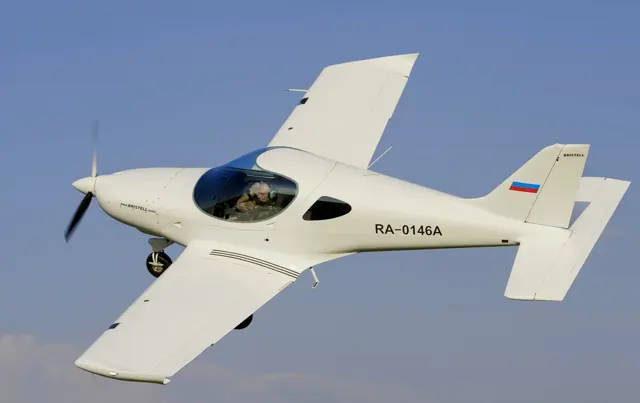
BRM Aero's two-seat B23, represented in MSFS by Airfoillabs.
A composite amphibian that carries Dornier's centreline engine arrangement into the turboprop era.
A compact twin-engine helicopter widely used for medical, police and training work.
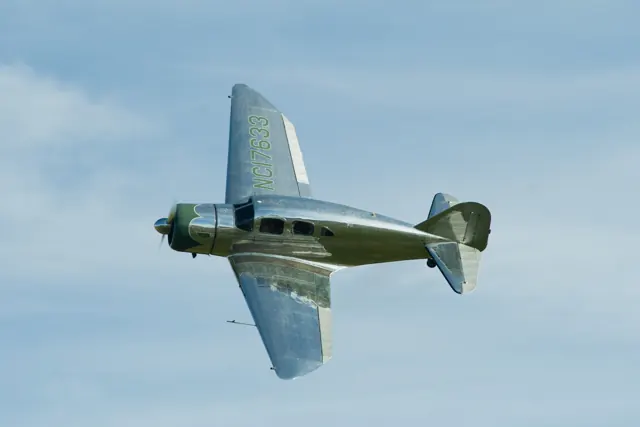
A late-1930s cabin aircraft with metal construction and retractable landing gear.
The JetRanger and LongRanger family: a familiar turbine-helicopter shape with distinct cabin lengths.
A large twin-engine helicopter from the Super Puma line, used for offshore and public-service work.
The Wilga is the real-aircraft starting point for Mike Patey's DRACO and the simulator's DRACO X.
A twin-engine business jet designed to retain some of the utility flexibility associated with the PC-12.
This is AirframeDB’s first release. More features and aircraft research are planned. Leave your email if you’d like occasional updates.