MSFS
Extra 330LT ↗
A purpose-built aerobatic monoplane family developed by pilot and designer Walter Extra.
2 implementations+ Compare
Explore the aircraft. Find your simulator. Follow the sources.
A purpose-built aerobatic monoplane family developed by pilot and designer Walter Extra.
A four-engine jetliner that helped establish the shape of long-distance jet travel.
The purpose-built Ryan monoplane used by Charles Lindbergh for his 1927 solo Atlantic crossing.
A specialised reconnaissance aircraft designed for very high altitude and sustained supersonic flight.
A long-haul twin whose family spans passenger, freight and specialist transport roles.
Cirrus's first type-certified aircraft, a composite piston single.
A compact Czech touring aircraft with side-by-side seats and a streamlined low-wing airframe.
Beechcraft's Model 76, designed to introduce pilots to twin-engine flying.
A tandem-seat light aircraft with a streamlined low-wing layout.
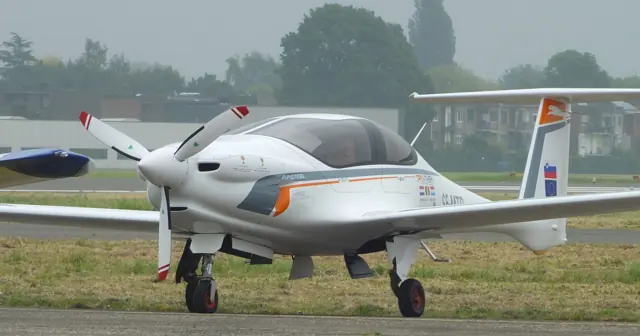
Pipistrel's streamlined four-seat composite-aircraft design.
A Canadian tandem-seat trainer developed after the Second World War.
A large long-haul twin that introduced Boeing's first commercial fly-by-wire airliner flight controls.
Tecnam's two-seat, low-wing Sierra, introduced in the early 2000s.
A long-range twin whose programme emphasised composite construction and more electrically powered systems.
A fixed-gear twin turboprop with a long history in regional and remote-area transport.
A 1920s transport family that developed from a single-engine airliner into a trimotor.
A four-seat composite touring and training aircraft developed from Diamond's smaller two-seater.
A small three-engine demonstrator created to explore technologies for a future supersonic airliner.
A modern medium twin-engine helicopter developed as a successor to the Dauphin line.
A large twin-engine helicopter from the Super Puma line, used for offshore and public-service work.
A four-engine airliner whose history also includes long-range maritime military service.
A regional jet family with four small engines, a high wing and a large split tail airbrake.
The CJ4 belongs to Cessna's light-jet line, with two rear-mounted engines and a T-tail.
A corrugated-metal, three-engine transport from the formative years of airline travel.
This is AirframeDB’s first release. More features and aircraft research are planned. Leave your email if you’d like occasional updates.