MSFS
Velocity XL ↗
An enlarged Velocity kit aircraft with a canard and rear-mounted pusher propeller.
1 implementations+ Compare
Explore the aircraft. Find your simulator. Follow the sources.
An enlarged Velocity kit aircraft with a canard and rear-mounted pusher propeller.
The JetRanger and LongRanger family: a familiar turbine-helicopter shape with distinct cabin lengths.
Tecnam's four-seat high-wing single, built with metal and carbon-fibre components.
A lightweight pusher family with an enclosed cabin and a high, braced wing.
Two related Dutch regional jets developed from the F28 lineage.
A vast inter-war flying boat with twelve engines arranged in six paired installations.
A four-seat high-wing single that spans generations of conventional instruments and glass cockpits.
A modern composite twin with a roomy cabin and two wing-mounted piston engines.
A single-engine utility helicopter known as the Écureuil, Squirrel and AStar.
A wide-cabin business-jet family that developed from Canadair's original Challenger programme.
The purpose-built Ryan monoplane used by Charles Lindbergh for his 1927 solo Atlantic crossing.
A swept-wing business jet designed around high subsonic cruise speed.
A high-wing utility turboprop designed for short-field passenger and cargo work.
A post-war Czech light twin with a rounded cabin and engines carried on a low wing.
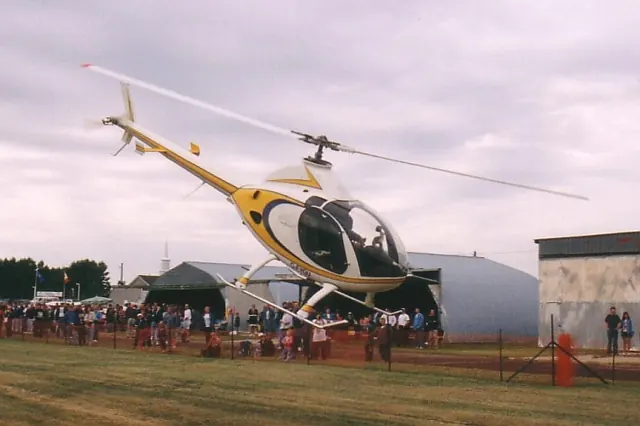
RotorWay's two-seat kit-helicopter family, with piston and turbine simulator interpretations.
A four-engine tactical transport built around a rear loading ramp and access to austere airfields.
A radial-engine trainer that also served in combat and civilian warbird roles.
A medium commercial helicopter designed for passenger and utility transport.
A British utility twin built around short regional and practical transport work.
A four-seat kit-built touring aircraft that expanded the RV family beyond two-seat designs.
A radial-engined utility aircraft closely associated with bush flying and float operations.
A wartime fighter developed from the earlier Curtiss P-36.
A light business jet with a swept wing, rear-mounted engines and an integrated flight deck.
A shorter wide-body Airbus from the transition to two-pilot, electronic-instrument cockpits.
This is AirframeDB’s first release. More features and aircraft research are planned. Leave your email if you’d like occasional updates.