MSFS
Boom XB-1 ↗
A small three-engine demonstrator created to explore technologies for a future supersonic airliner.
1 implementations+ Compare
Explore the aircraft. Find your simulator. Follow the sources.
A small three-engine demonstrator created to explore technologies for a future supersonic airliner.
A rear-engined trijet built to bring jet service to shorter routes and smaller airports.
A personal jet with one engine above the rear fuselage and a distinctive V-tail.
A small twin-engine amphibian that moved from business transport into military and utility service.
A two-seat composite light-aircraft family with a high wing and a compact enclosed cabin.
A small observation-helicopter family with a rounded cabin and compact rotor system.
A long-running touring single, familiar in both V-tail and conventional-tail forms.
The Mitchell medium bomber, named for aviation advocate Billy Mitchell.
An unpowered military cargo glider designed to deliver troops and equipment behind a tow aircraft.
An open, single-seat ultralight with its propeller behind the pilot.
A pressurised twin turboprop with a canard, composite airframe and rear-facing propellers.
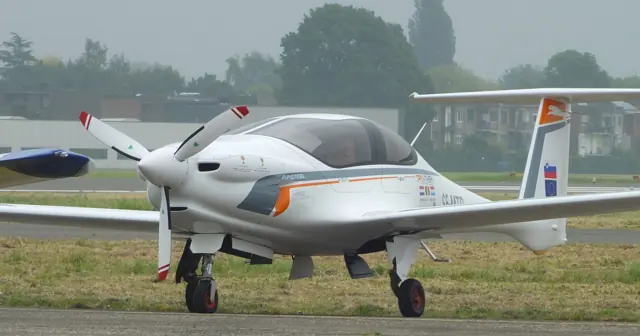
Pipistrel's streamlined four-seat composite-aircraft design.
A compact twin-engine transport helicopter with retractable gear and a long development history.
A purpose-built agricultural aircraft that also became a single-engine air tanker.
A self-launching sailplane family with its engine inside the fuselage and a folding nose propeller.
A low-wing piston twin that carries the Beechcraft touring-aircraft lineage into two-engine flying.
A close-air-support aircraft with a straight wing, twin tail and two widely separated jet engines.
A French two-seat aerobatic trainer with side-by-side seating and a distinctive curved wing outline.
A two-seat naval fighter with variable-sweep wings and a cockpit built around pilot and radar-intercept officer roles.
A long-range twin designed around a new wide-body airframe and extensive composite construction.
A four-abreast regional-jet family spanning the E170, E175, E190 and E195.
The Wilga is the real-aircraft starting point for Mike Patey's DRACO and the simulator's DRACO X.
A tandem-seat utility aircraft whose light structure and high wing suit bush, towing and recreational work.
A wartime fighter developed from the earlier Curtiss P-36.
This is AirframeDB’s first release. More features and aircraft research are planned. Leave your email if you’d like occasional updates.