MSFS X-Plane
Cessna 152 / Aerobat ↗
A two-seat training single with a high wing and fixed tricycle landing gear.
5 implementations+ Compare
Explore the aircraft. Find your simulator. Follow the sources.
A two-seat training single with a high wing and fixed tricycle landing gear.
A low-wing piston family that spans simple trainers, touring aircraft and retractable-gear Arrows.
A very large single-engine biplane designed for practical work from modest airfields.
Diamond's four-seat light twin, developed with diesel-powered versions.
A short-haul jet family that evolved through several generations of engines, wings and flight decks.
A long-range twin designed around a new wide-body airframe and extensive composite construction.
A DC-10-derived tanker that combined aerial refuelling with passenger and cargo transport.
Beechcraft's Model 76, designed to introduce pilots to twin-engine flying.
A Polish utility aircraft designed for short takeoffs and landings.
A four-seat touring family whose Commander 114 added a larger engine and further refinements.
A very light twin jet developed from the Eclipse 500.
A Brazilian light trainer with a high wing, tandem seats and a simple utility layout.
A hybrid-electric regional-airliner concept represented in the simulator while the real programme develops.
A tandem-seat utility aircraft whose light structure and high wing suit bush, towing and recreational work.
A narrow-body twin developed as a new generation of medium-range airliner.
A Swedish reconnaissance and dive-bombing aircraft from the early 1940s.
A four-bladed utility helicopter developed from the LongRanger lineage.
A heavy transport helicopter whose two large rotors remove the need for a tail rotor.
A heavy-lift helicopter built around an open frame and an external working load.
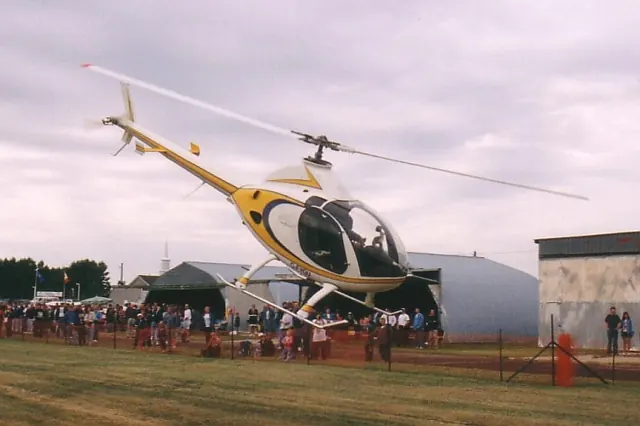
RotorWay's two-seat kit-helicopter family, with piston and turbine simulator interpretations.
A lightweight pusher family with an enclosed cabin and a high, braced wing.
Two related Dutch regional jets developed from the F28 lineage.
The purpose-built Ryan monoplane used by Charles Lindbergh for his 1927 solo Atlantic crossing.
A self-launching sailplane family with its engine inside the fuselage and a folding nose propeller.
This is AirframeDB’s first release. More features and aircraft research are planned. Leave your email if you’d like occasional updates.