X-Plane
PZL-104 Wilga ↗
A Polish utility aircraft designed for short takeoffs and landings.
1 implementations+ Compare
Explore the aircraft. Find your simulator. Follow the sources.
A Polish utility aircraft designed for short takeoffs and landings.
A three-engine airliner that became a mainstay of Soviet and Russian passenger transport.
A compact twin-engine transport helicopter with retractable gear and a long development history.
A self-launching sailplane family with its engine inside the fuselage and a folding nose propeller.
The Stationair utility family, combining a high wing with fixed landing gear.
A British jet trainer with tandem seating and a long military training career.
The four-engine Flying Fortress, a major American bomber of the Second World War.
A corrugated-metal, three-engine transport from the formative years of airline travel.
A stretched development of the DC-9 with rear-mounted engines and a five-abreast cabin.
A two-seat training single with a high wing and fixed tricycle landing gear.
An open-cockpit biplane trainer that found a second life in civilian flying.
A light business jet with a swept wing, rear-mounted engines and an integrated flight deck.
A radial-engine trainer that also served in combat and civilian warbird roles.
A tandem-seat light aircraft with a streamlined low-wing layout.
A pressurised touring twin whose piston and turbine-conversion versions make a particularly interesting comparison.
Avro's delta-wing bomber, developed for Britain's postwar strategic force.
Two related Dutch regional jets developed from the F28 lineage.
A streamlined twin-engine helicopter with a Fenestron tail rotor and retractable landing gear.
A Swedish reconnaissance and dive-bombing aircraft from the early 1940s.
A low-wing piston family that spans simple trainers, touring aircraft and retractable-gear Arrows.
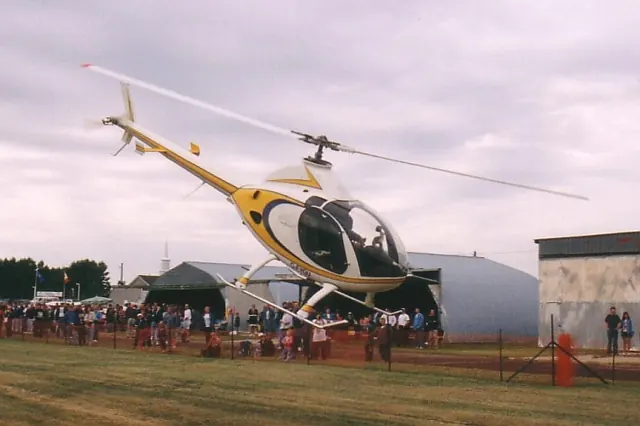
RotorWay's two-seat kit-helicopter family, with piston and turbine simulator interpretations.
A four-abreast regional-jet family spanning the E170, E175, E190 and E195.
A British utility twin built around short regional and practical transport work.
This is AirframeDB’s first release. More features and aircraft research are planned. Leave your email if you’d like occasional updates.