MSFS
De Havilland Canada DHC-4 Caribou ↗
A twin-radial military transport with a rear ramp and short-field design priorities.
1 implementations+ Compare
Explore the aircraft. Find your simulator. Follow the sources.
A twin-radial military transport with a rear ramp and short-field design priorities.
The fixed-gear, six-cylinder touring branch of Piper's PA-28 family.
A radial-engined utility aircraft closely associated with bush flying and float operations.
A turbine-powered utility helicopter with a broad cabin and a long international service history.
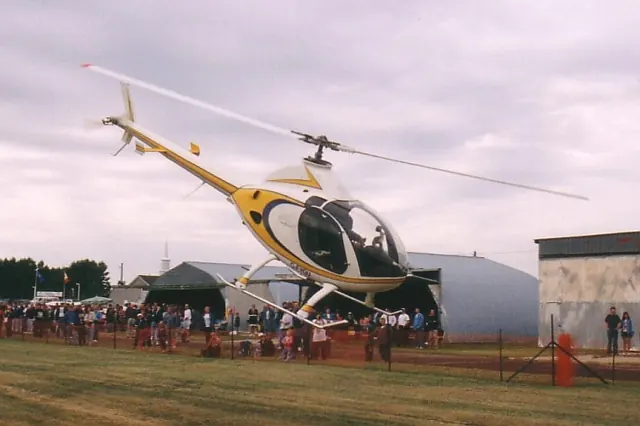
RotorWay's two-seat kit-helicopter family, with piston and turbine simulator interpretations.
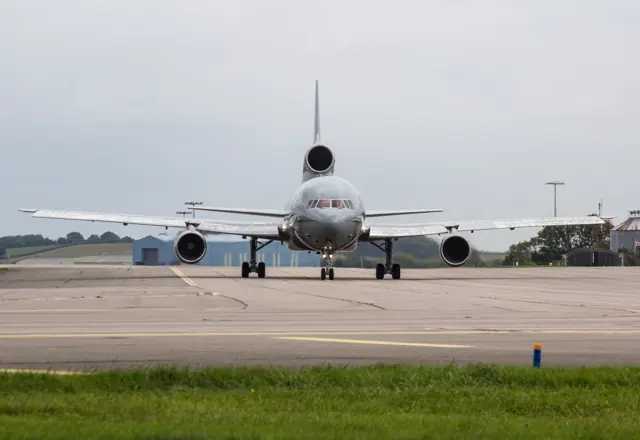
Lockheed's wide-body TriStar, with three RB211 engines and a distinctive tail intake.
A small twin-engine amphibian that moved from business transport into military and utility service.
The four-engine wide-body whose raised flight deck created one of aviation's most recognisable profiles.
A compact Czech touring aircraft with side-by-side seats and a streamlined low-wing airframe.
A long-range twin whose programme emphasised composite construction and more electrically powered systems.
A large long-haul twin that introduced Boeing's first commercial fly-by-wire airliner flight controls.
A military transport developed from the DC-3, used for cargo, troops, parachuting and glider towing.
A twin-engine utility helicopter with roots in the BK 117 and EC145 families.
A very light twin jet developed from the Eclipse 500.
A tandem-seat utility aircraft whose light structure and high wing suit bush, towing and recreational work.
A close-air-support aircraft with a straight wing, twin tail and two widely separated jet engines.
An advanced trainer known around the world as the Texan, Harvard and SNJ.
The purpose-built Ryan monoplane used by Charles Lindbergh for his 1927 solo Atlantic crossing.
A light turbine helicopter combining an Alouette II airframe with more powerful Alouette III components.
A four-seat high-wing single that spans generations of conventional instruments and glass cockpits.
A Polish utility aircraft designed for short takeoffs and landings.
A compact Italian light twin with a shoulder wing and metal airframe.
A 1920s transport family that developed from a single-engine airliner into a trimotor.
A utility-aircraft family whose stretched 207 branch trades compact proportions for more cabin space.
This is AirframeDB’s first release. More features and aircraft research are planned. Leave your email if you’d like occasional updates.