MSFS
Mudry CAP 10 ↗
A French two-seat aerobatic trainer with side-by-side seating and a distinctive curved wing outline.
2 implementations+ Compare
Explore the aircraft. Find your simulator. Follow the sources.
A French two-seat aerobatic trainer with side-by-side seating and a distinctive curved wing outline.
A hybrid-electric regional-airliner concept represented in the simulator while the real programme develops.
A two-seat, twin-engine fighter that served naval and land-based air forces in many roles.
A pressurised touring twin whose piston and turbine-conversion versions make a particularly interesting comparison.
A super-midsize business jet with a swept wing, rear-mounted engines and an integrated glass cockpit.
A twin-turboprop regional airliner developed through Swedish and American industrial cooperation.
A small two-seat piston helicopter with a two-bladed main rotor.
A stretched development of the DC-9 with rear-mounted engines and a five-abreast cabin.
A compact aerobatic biplane family with both single-seat and tandem-seat branches.
A high-wing twin turboprop developed for regional freight and passenger transport.
A utility piston twin designed for commuter and specialist transport missions.
A British utility twin built around short regional and practical transport work.
Epic's experimental light-jet project, represented in simulation by Aerobask.
An unpowered military cargo glider designed to deliver troops and equipment behind a tow aircraft.
A two-seat naval fighter with variable-sweep wings and a cockpit built around pilot and radar-intercept officer roles.
A short-field Savage with leading-edge slats and a distinct Got Friends simulator implementation.
A fixed-wing observation aircraft with a helicopter-like view from its glazed nose.
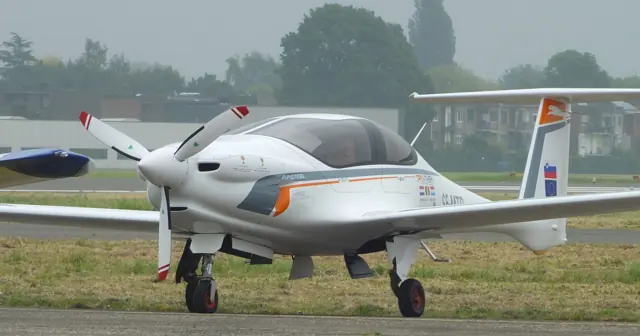
Pipistrel's streamlined four-seat composite-aircraft design.
The purpose-built Ryan monoplane used by Charles Lindbergh for his 1927 solo Atlantic crossing.
A cabin biplane with the lower wing placed ahead of the upper one.
A narrow-body twin developed as a new generation of medium-range airliner.
An Italian light aircraft known for military training and aerobatic use.
A close-air-support aircraft with a straight wing, twin tail and two widely separated jet engines.
The second-generation Harrier, designed around vectored thrust and short-field operation.
This is AirframeDB’s first release. More features and aircraft research are planned. Leave your email if you’d like occasional updates.