MSFS
Dornier Do J Wal ↗
A 1920s flying boat with two engines arranged in tandem above the wing.
1 implementations+ Compare
Explore the aircraft. Find your simulator. Follow the sources.
A 1920s flying boat with two engines arranged in tandem above the wing.
A four-seat touring family whose Commander 114 added a larger engine and further refinements.
A turbine-powered utility helicopter with a broad cabin and a long international service history.
A three-engine airliner that became a mainstay of Soviet and Russian passenger transport.
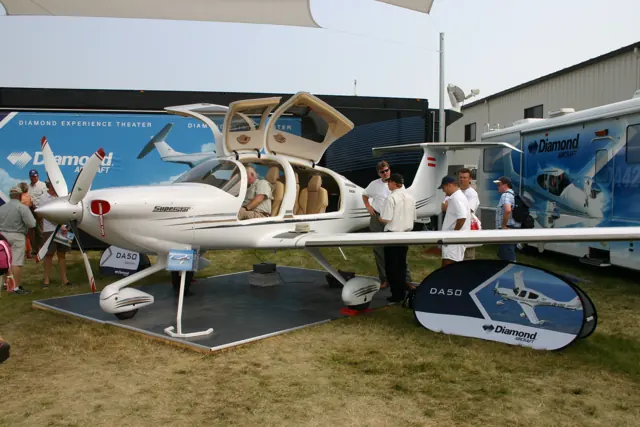
A five-seat composite single whose development led to the diesel DA50 RG.
An unpowered military cargo glider designed to deliver troops and equipment behind a tow aircraft.
A low-wing piston family that spans simple trainers, touring aircraft and retractable-gear Arrows.
A compact Japanese twin turboprop with a high wing and pressurised cabin.
A light business jet with a swept wing, rear-mounted engines and an integrated flight deck.
A compact aerobatic biplane family with both single-seat and tandem-seat branches.
A tandem-seat light aircraft with a streamlined low-wing layout.
A four-seat high-wing single that spans generations of conventional instruments and glass cockpits.
A modern two-seat piston helicopter designed around the training role.
A two-seat composite kit aircraft developed from the Lancair 320.
A post-war Czech light twin with a rounded cabin and engines carried on a low wing.
A utility piston twin designed for commuter and specialist transport missions.
A large long-haul twin that introduced Boeing's first commercial fly-by-wire airliner flight controls.
A cabin biplane with the lower wing placed ahead of the upper one.
An enclosed-cabin development of the Bell 47, shaped for passenger and executive transport.
A utility-aircraft family whose stretched 207 branch trades compact proportions for more cabin space.
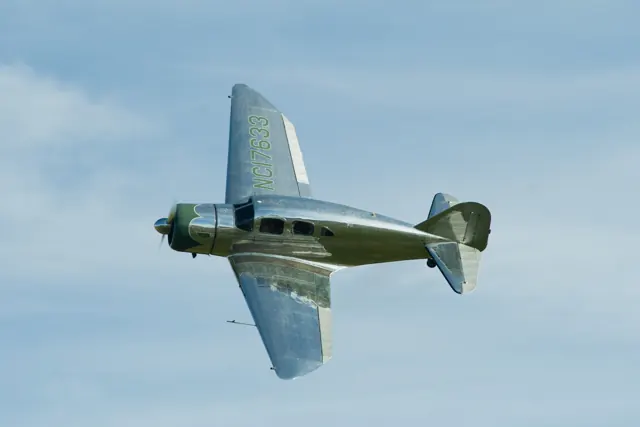
A late-1930s cabin aircraft with metal construction and retractable landing gear.
Two related Dutch regional jets developed from the F28 lineage.
A pressurised touring twin whose piston and turbine-conversion versions make a particularly interesting comparison.
This is AirframeDB’s first release. More features and aircraft research are planned. Leave your email if you’d like occasional updates.