MSFS
RotorWay Exec / JetExec ↗
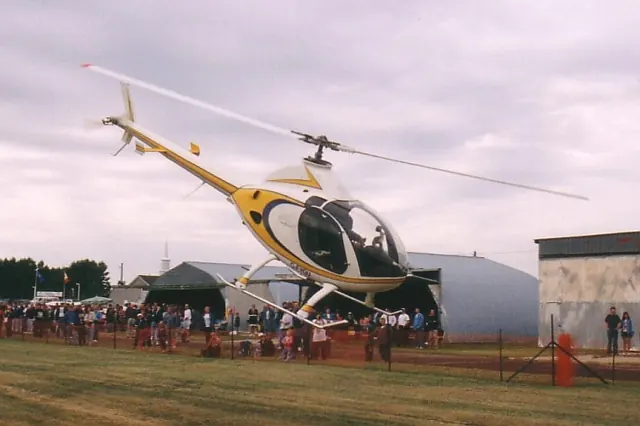
RotorWay's two-seat kit-helicopter family, with piston and turbine simulator interpretations.
1 implementations+ Compare
Explore the aircraft. Find your simulator. Follow the sources.
RotorWay's two-seat kit-helicopter family, with piston and turbine simulator interpretations.
A tandem two-seat sailplane family used for training and cross-country soaring.
A single-engine turboprop workhorse for passenger services, freight and remote-area transport.
A six-seat composite single turboprop with a pressurised cabin and retractable gear.
A specialised reconnaissance aircraft designed for very high altitude and sustained supersonic flight.
A long-range trijet developed from the DC-10 with a stretched fuselage and revised wing and cockpit.
An enclosed-cabin development of the Bell 47, shaped for passenger and executive transport.
A Polish utility aircraft designed for short takeoffs and landings.
A two-seat naval fighter with variable-sweep wings and a cockpit built around pilot and radar-intercept officer roles.
A light turbine helicopter whose land-based Scout and naval Wasp branches served different jobs.
A heavy-lift helicopter built around an open frame and an external working load.
A compact utility helicopter distinguished by its enclosed Fenestron tail rotor.
Cessna's retractable-gear Centurion, a high-wing touring aircraft.
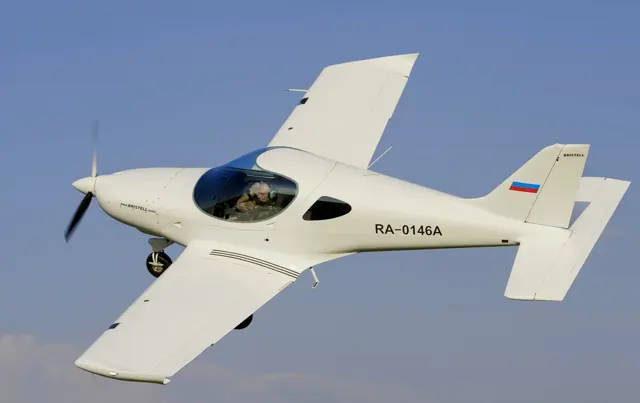
BRM Aero's two-seat B23, represented in MSFS by Airfoillabs.
A vast inter-war flying boat with twelve engines arranged in six paired installations.
A twin-radial military transport with a rear ramp and short-field design priorities.
The purpose-built Ryan monoplane used by Charles Lindbergh for his 1927 solo Atlantic crossing.
A composite amphibian that carries Dornier's centreline engine arrangement into the turboprop era.
A three-engine airliner that became a mainstay of Soviet and Russian passenger transport.
A tandem-seat utility aircraft whose light structure and high wing suit bush, towing and recreational work.
A small two-seat piston helicopter with a two-bladed main rotor.
A shorter wide-body Airbus from the transition to two-pilot, electronic-instrument cockpits.
A push-pull twin with one engine at each end of the central fuselage.
A cabin biplane with the lower wing placed ahead of the upper one.
This is AirframeDB’s first release. More features and aircraft research are planned. Leave your email if you’d like occasional updates.