MSFS
Pilatus PC-24 ↗
A twin-engine business jet designed to retain some of the utility flexibility associated with the PC-12.
1 implementations+ Compare
Explore the aircraft. Find your simulator. Follow the sources.
A twin-engine business jet designed to retain some of the utility flexibility associated with the PC-12.
A twin-aisle Boeing designed alongside the 757's generation of two-pilot flight decks.
An advanced trainer known around the world as the Texan, Harvard and SNJ.
A large twin-engine helicopter from the Super Puma line, used for offshore and public-service work.
A tandem-seat utility aircraft whose light structure and high wing suit bush, towing and recreational work.
A carrier-capable multirole fighter, larger than the earlier Hornet from which it developed.
A large twin-radial transport that carried heavy loads through wartime and post-war freight service.
A military transport developed from the DC-3, used for cargo, troops, parachuting and glider towing.
A four-engine airliner whose history also includes long-range maritime military service.
Dassault's long-range Falcon 8X, developed from the three-engine 7X.
A wartime fighter developed from the earlier Curtiss P-36.
A low-wing piston twin that carries the Beechcraft touring-aircraft lineage into two-engine flying.
The four-engine wide-body whose raised flight deck created one of aviation's most recognisable profiles.
A small two-seat piston helicopter with a two-bladed main rotor.
The Mitchell medium bomber, named for aviation advocate Billy Mitchell.
A tandem two-seat sailplane designed for instruction and broader soaring use.
Avro's delta-wing bomber, developed for Britain's postwar strategic force.
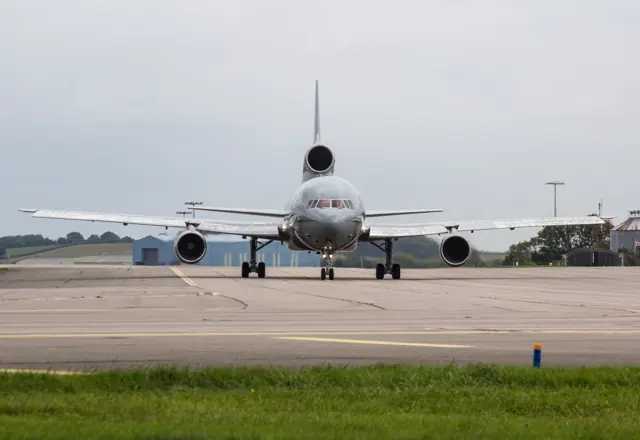
Lockheed's wide-body TriStar, with three RB211 engines and a distinctive tail intake.
A radial-engine trainer that also served in combat and civilian warbird roles.
A British jet trainer with tandem seating and a long military training career.
A pressurised single-engine turboprop family that combines a compact cabin with retractable gear.
A push-pull twin with one engine at each end of the central fuselage.
An enclosed-cabin development of the Bell 47, shaped for passenger and executive transport.
A long-range twin whose programme emphasised composite construction and more electrically powered systems.
This is AirframeDB’s first release. More features and aircraft research are planned. Leave your email if you’d like occasional updates.