MSFS
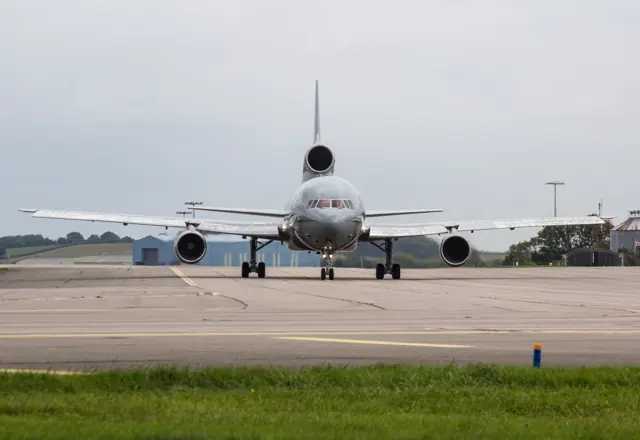
Lockheed L-1011 TriStar ↗
Lockheed's wide-body TriStar, with three RB211 engines and a distinctive tail intake.
1 implementations+ Compare
Explore the aircraft. Find your simulator. Follow the sources.
Lockheed's wide-body TriStar, with three RB211 engines and a distinctive tail intake.
A vast inter-war flying boat with twelve engines arranged in six paired installations.
An enclosed, two-seat autogyro with side-by-side seating and a pusher propeller.
Ted Smith's piston twin, later produced by Piper as the Aerostar.
A compact rear-engined jet designed for short-haul regional airline work.
A corrugated-metal transport best known in its three-engine form.
A pioneering light helicopter whose bubble cabin and exposed structure became widely recognisable.
A regional turboprop family whose short early versions and larger Q400 have different proportions and systems.
A tandem-seat utility aircraft whose light structure and high wing suit bush, towing and recreational work.
A four-seat composite touring and training aircraft developed from Diamond's smaller two-seater.
A hybrid-electric regional-airliner concept represented in the simulator while the real programme develops.
A four-engine airliner that brought pressurised-cabin travel into scheduled service.
A twin-engine utility helicopter with roots in the BK 117 and EC145 families.
A medium commercial helicopter designed for passenger and utility transport.
A full-length double-deck airliner built for very high passenger capacity.
A late-1930s cabin aircraft with metal construction and retractable landing gear.
A low-wing agricultural Cessna with a cockpit and hopper arranged around the job.
A four-engine tactical transport built around a rear loading ramp and access to austere airfields.
A French two-seat aerobatic trainer with side-by-side seating and a distinctive curved wing outline.
A box-shaped utility twin whose cabin and rear access are central to its design.
The purpose-built Ryan monoplane used by Charles Lindbergh for his 1927 solo Atlantic crossing.
A wooden touring-aircraft family recognisable by the upward-angled outer wing panels.
A five-seat turbine helicopter developed from Robinson's smaller piston-helicopter line.
A three-engine airliner that became a mainstay of Soviet and Russian passenger transport.
This is AirframeDB’s first release. More features and aircraft research are planned. Leave your email if you’d like occasional updates.