MSFS
Fokker F.VII ↗
A 1920s transport family that developed from a single-engine airliner into a trimotor.
1 implementations+ Compare
Explore the aircraft. Find your simulator. Follow the sources.
A 1920s transport family that developed from a single-engine airliner into a trimotor.
Cessna's retractable-gear Centurion, a high-wing touring aircraft.
A compact Italian light twin with a shoulder wing and metal airframe.
A two-seat, twin-engine fighter that served naval and land-based air forces in many roles.
A high-wing utility turboprop designed for short-field passenger and cargo work.
A purpose-built agricultural aircraft that also became a single-engine air tanker.
A composite touring single with a whole-aircraft parachute and several generations of avionics.
The second-generation Harrier, designed around vectored thrust and short-field operation.
A twin-radial airliner that helped make practical passenger transport a regular business.
A large amphibious flying boat built around maritime rescue and utility transport.
A compact two-seat light aircraft with a high wing and a wide range of development variants.
A modern medium twin-engine helicopter developed as a successor to the Dauphin line.
A 1920s flying boat with two engines arranged in tandem above the wing.
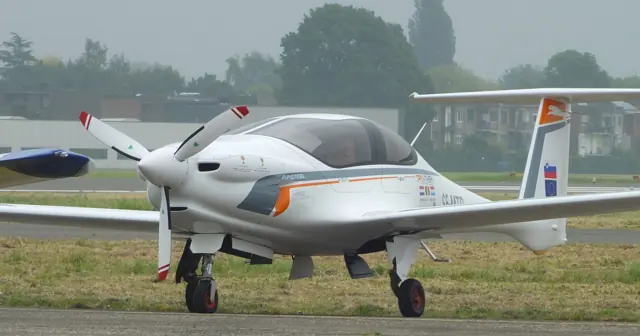
Pipistrel's streamlined four-seat composite-aircraft design.
A compact utility helicopter distinguished by its enclosed Fenestron tail rotor.
A swept-wing business jet designed around high subsonic cruise speed.
A four-abreast regional-jet family spanning the E170, E175, E190 and E195.
A pioneering all-metal transport with an enclosed passenger cabin and corrugated skin.
A low-wing agricultural Cessna with a cockpit and hopper arranged around the job.
Cessna's unusual piston-powered helicopter, marketed as the Skyhook.
A twin-radial military transport with a rear ramp and short-field design priorities.
A fixed-wing observation aircraft with a helicopter-like view from its glazed nose.
An Italian light aircraft known for military training and aerobatic use.
A personal jet with one engine above the rear fuselage and a distinctive V-tail.
This is AirframeDB’s first release. More features and aircraft research are planned. Leave your email if you’d like occasional updates.