MSFS
Stemme S12G ↗
A self-launching sailplane family with its engine inside the fuselage and a folding nose propeller.
1 implementations+ Compare
Explore the aircraft. Find your simulator. Follow the sources.
A self-launching sailplane family with its engine inside the fuselage and a folding nose propeller.
A rear-engined trijet built to bring jet service to shorter routes and smaller airports.
A Canadian tandem-seat trainer developed after the Second World War.
A long-range twin whose programme emphasised composite construction and more electrically powered systems.
A pioneering all-metal transport with an enclosed passenger cabin and corrugated skin.
Piper's PA-31 utility twin, used in commuter, cargo and corporate transport.
A vast inter-war flying boat with twelve engines arranged in six paired installations.
A twin-engine utility helicopter with roots in the BK 117 and EC145 families.
A four-engine military turboprop designed to combine tactical access with long-distance transport.
A compact two-seat light aircraft with a high wing and a wide range of development variants.
A two-seat training single with a high wing and fixed tricycle landing gear.
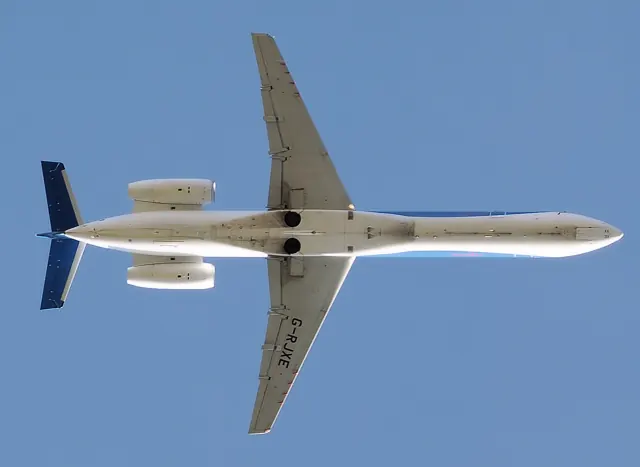
Embraer's regional-jet family, from the ERJ 135 to the longer ERJ 145.
A post-war Czech light twin with a rounded cabin and engines carried on a low wing.
A British jet trainer with tandem seating and a long military training career.
A compact Czech touring aircraft with side-by-side seats and a streamlined low-wing airframe.
A shorter wide-body Airbus from the transition to two-pilot, electronic-instrument cockpits.
The Huey: a turbine-powered utility helicopter with a broad cabin and an unmistakable two-bladed rotor.
A compact rear-engined jet designed for short-haul regional airline work.
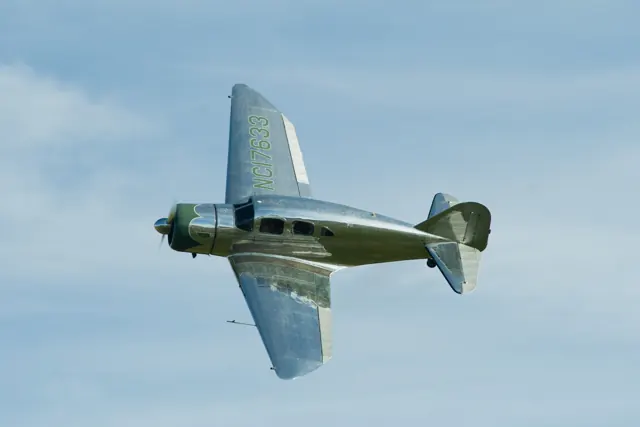
A late-1930s cabin aircraft with metal construction and retractable landing gear.
A modern medium twin-engine helicopter developed as a successor to the Dauphin line.
A wooden touring-aircraft family recognisable by the upward-angled outer wing panels.
A four-engine Airbus wide-body developed in parallel with the A330.
A two-seat Tecnam high-wing aircraft combining composite and metal construction.
The purpose-built Ryan monoplane used by Charles Lindbergh for his 1927 solo Atlantic crossing.
This is AirframeDB’s first release. More features and aircraft research are planned. Leave your email if you’d like occasional updates.