MSFS
Douglas DC-6 ↗
A pressurised four-engine piston transport from the last major generation before the jet airliner.
1 implementations+ Compare
Explore the aircraft. Find your simulator. Follow the sources.
A pressurised four-engine piston transport from the last major generation before the jet airliner.
The CJ4 belongs to Cessna's light-jet line, with two rear-mounted engines and a T-tail.
A four-engine airliner that brought pressurised-cabin travel into scheduled service.
SOCATA's touring-aircraft family, including the Tobago and Trinidad.
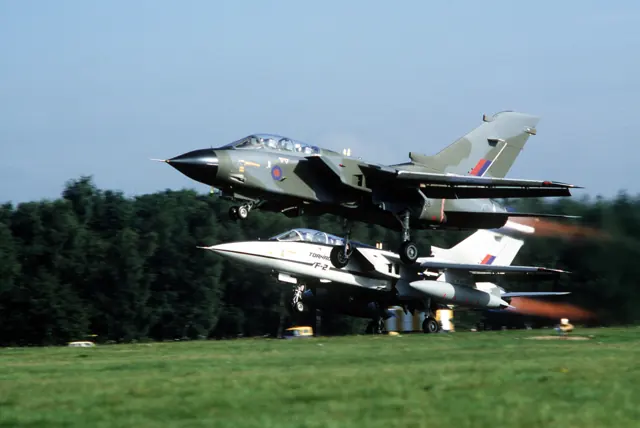
A European variable-sweep combat-aircraft family with distinct strike and interceptor versions.
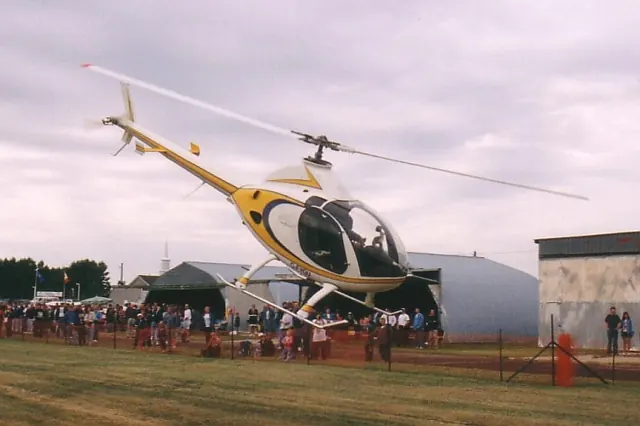
RotorWay's two-seat kit-helicopter family, with piston and turbine simulator interpretations.
A pressurised twin turboprop with a canard, composite airframe and rear-facing propellers.
A fixed-wing observation aircraft with a helicopter-like view from its glazed nose.
A vast inter-war flying boat with twelve engines arranged in six paired installations.
A military transport developed from the DC-3, used for cargo, troops, parachuting and glider towing.
A 1920s flying boat with two engines arranged in tandem above the wing.
A streamlined twin-engine helicopter with a Fenestron tail rotor and retractable landing gear.
Dassault's long-range Falcon 8X, developed from the three-engine 7X.
A compact two-seat light aircraft with a high wing and a wide range of development variants.
A large twin-radial transport that carried heavy loads through wartime and post-war freight service.
A short-field Savage with leading-edge slats and a distinct Got Friends simulator implementation.
A tandem-seat utility aircraft whose light structure and high wing suit bush, towing and recreational work.
A 1920s transport family that developed from a single-engine airliner into a trimotor.
A two-seat naval fighter with variable-sweep wings and a cockpit built around pilot and radar-intercept officer roles.
A two-seat training single with a high wing and fixed tricycle landing gear.
A huge wooden flying-boat prototype that made one brief flight in 1947.
A twin-turboprop regional airliner developed through Swedish and American industrial cooperation.
A twin-aisle Boeing designed alongside the 757's generation of two-pilot flight decks.
A shorter wide-body Airbus from the transition to two-pilot, electronic-instrument cockpits.
This is AirframeDB’s first release. More features and aircraft research are planned. Leave your email if you’d like occasional updates.