X-Plane
Eclipse 550 ↗
A very light twin jet developed from the Eclipse 500.
1 implementations+ Compare
Explore the aircraft. Find your simulator. Follow the sources.
A very light twin jet developed from the Eclipse 500.
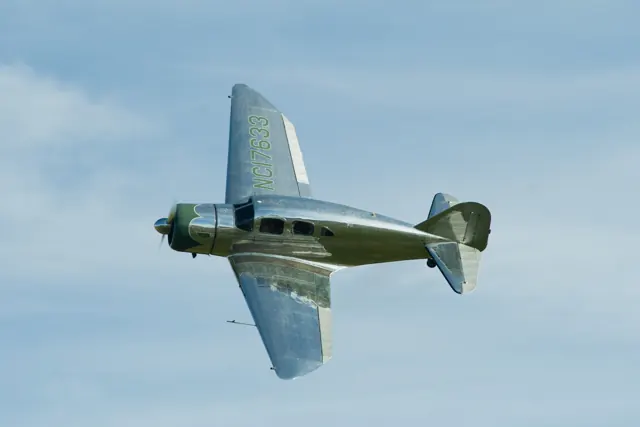
A late-1930s cabin aircraft with metal construction and retractable landing gear.
A two-seat composite kit aircraft developed from the Lancair 320.
A short-field Savage with leading-edge slats and a distinct Got Friends simulator implementation.
A self-launching sailplane family with its engine inside the fuselage and a folding nose propeller.
A compact twin-engine transport helicopter with retractable gear and a long development history.
A purpose-built agricultural aircraft that also became a single-engine air tanker.
A twin-engine utility helicopter with roots in the BK 117 and EC145 families.
The JetRanger and LongRanger family: a familiar turbine-helicopter shape with distinct cabin lengths.
Pipistrel's streamlined four-seat composite-aircraft design.
A twin-turboprop regional airliner developed through Swedish and American industrial cooperation.
A long-haul twin whose family spans passenger, freight and specialist transport roles.
A single-seat aerobatic monoplane that also became a familiar air-racing aircraft.
A First World War trainer that became a familiar sight in the barnstorming era.
An open, single-seat ultralight with its propeller behind the pilot.
A single-engine turboprop workhorse for passenger services, freight and remote-area transport.
A four-abreast regional-jet family spanning the E170, E175, E190 and E195.
A streamlined light twin helicopter, with the later Bell 230 in the same family.
A rear-engined trijet built to bring jet service to shorter routes and smaller airports.
Regional flying built around a high wing, two turboprops and short sectors.
A four-seat kit-built touring aircraft that expanded the RV family beyond two-seat designs.
Airbus's first production aircraft, built around a twin-engine wide-body layout.
SOCATA's touring-aircraft family, including the Tobago and Trinidad.
A cabin biplane with the lower wing placed ahead of the upper one.
This is AirframeDB’s first release. More features and aircraft research are planned. Leave your email if you’d like occasional updates.