MSFS
Saab 340B ↗
A twin-turboprop regional airliner developed through Swedish and American industrial cooperation.
1 implementations+ Compare
Explore the aircraft. Find your simulator. Follow the sources.
A twin-turboprop regional airliner developed through Swedish and American industrial cooperation.
Airbus's first production aircraft, built around a twin-engine wide-body layout.
A long-range strategic bomber with a swept wing and eight jet engines in paired pods.
The Wilga is the real-aircraft starting point for Mike Patey's DRACO and the simulator's DRACO X.
The four-engine wide-body whose raised flight deck created one of aviation's most recognisable profiles.
A compact utility helicopter distinguished by its enclosed Fenestron tail rotor.
A regional turboprop family whose short early versions and larger Q400 have different proportions and systems.
A long-range twin whose programme emphasised composite construction and more electrically powered systems.
A pressurised touring twin whose piston and turbine-conversion versions make a particularly interesting comparison.
A compact Japanese twin turboprop with a high wing and pressurised cabin.
A low-wing agricultural Cessna with a cockpit and hopper arranged around the job.
A modern two-seat piston helicopter designed around the training role.
A low-wing piston twin that carries the Beechcraft touring-aircraft lineage into two-engine flying.
A radial-engine trainer that also served in combat and civilian warbird roles.
A streamlined twin-engine helicopter with a Fenestron tail rotor and retractable landing gear.
A large long-haul twin that introduced Boeing's first commercial fly-by-wire airliner flight controls.
A single-engine turboprop workhorse for passenger services, freight and remote-area transport.
A purpose-built aerobatic monoplane family developed by pilot and designer Walter Extra.
A two-seat naval fighter with variable-sweep wings and a cockpit built around pilot and radar-intercept officer roles.
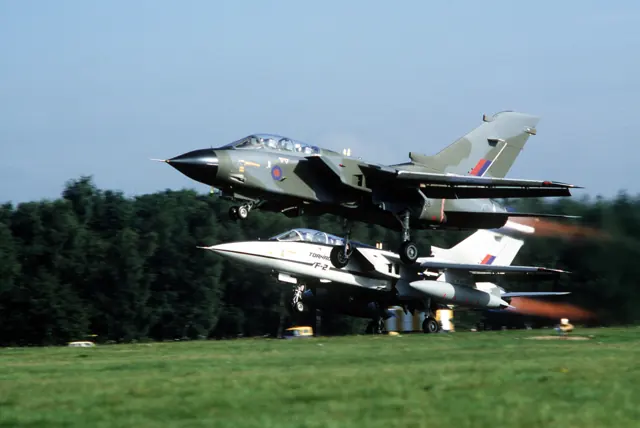
A European variable-sweep combat-aircraft family with distinct strike and interceptor versions.
The second-generation Harrier, designed around vectored thrust and short-field operation.
A post-war Businessliner with a radial engine, cabin transport ambitions and tailwheel gear.
A twin-radial airliner that helped make practical passenger transport a regular business.
A compact two-seat light aircraft with a high wing and a wide range of development variants.
This is AirframeDB’s first release. More features and aircraft research are planned. Leave your email if you’d like occasional updates.