X-Plane
Dassault Falcon 8X ↗
Dassault's long-range Falcon 8X, developed from the three-engine 7X.
1 implementations+ Compare
Explore the aircraft. Find your simulator. Follow the sources.
Dassault's long-range Falcon 8X, developed from the three-engine 7X.
A cabin-class piston twin designed for commuter, cargo and utility work.
A large long-haul twin that introduced Boeing's first commercial fly-by-wire airliner flight controls.
A fixed-gear twin turboprop with a long history in regional and remote-area transport.
An unpowered military cargo glider designed to deliver troops and equipment behind a tow aircraft.
A large amphibious flying boat built around maritime rescue and utility transport.
The four-engine Flying Fortress, a major American bomber of the Second World War.
A four-bladed utility helicopter developed from the LongRanger lineage.
A two-seat training single with a high wing and fixed tricycle landing gear.
Cessna's unusual piston-powered helicopter, marketed as the Skyhook.
A radial-engined utility aircraft closely associated with bush flying and float operations.
A tandem-seat light aircraft with a streamlined low-wing layout.
Tecnam's four-seat high-wing single, built with metal and carbon-fibre components.
Diamond's four-seat light twin, developed with diesel-powered versions.
A compact rear-engined jet designed for short-haul regional airline work.
A hybrid-electric regional-airliner concept represented in the simulator while the real programme develops.
SOCATA's touring-aircraft family, including the Tobago and Trinidad.
A modern composite twin with a roomy cabin and two wing-mounted piston engines.
A stretched development of the DC-9 with rear-mounted engines and a five-abreast cabin.
The Wilga is the real-aircraft starting point for Mike Patey's DRACO and the simulator's DRACO X.
A twin-engine utility helicopter with roots in the BK 117 and EC145 families.
Piper's two-seat trainer with fixed tricycle landing gear.
A twin-turbine Huey descendant with a four-blade main rotor.
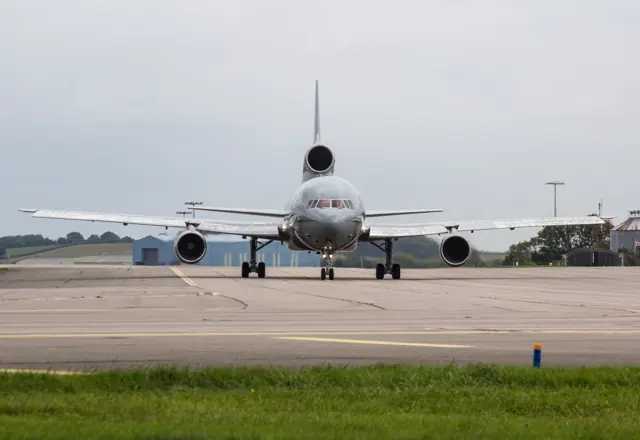
Lockheed's wide-body TriStar, with three RB211 engines and a distinctive tail intake.
This is AirframeDB’s first release. More features and aircraft research are planned. Leave your email if you’d like occasional updates.