MSFS
Tecnam P2010 ↗
Tecnam's four-seat high-wing single, built with metal and carbon-fibre components.
1 implementations+ Compare
Explore the aircraft. Find your simulator. Follow the sources.
Tecnam's four-seat high-wing single, built with metal and carbon-fibre components.
A compact utility helicopter distinguished by its enclosed Fenestron tail rotor.
A First World War trainer that became a familiar sight in the barnstorming era.
Airbus's first production aircraft, built around a twin-engine wide-body layout.
The Mitchell medium bomber, named for aviation advocate Billy Mitchell.
A high-wing utility aircraft known for short-field work and a broad choice of working configurations.
A large twin-radial transport that carried heavy loads through wartime and post-war freight service.
A modern utility single whose family includes both tailwheel and nosewheel configurations.
A turbine-powered utility helicopter with a broad cabin and a long international service history.
A single-seat aerobatic monoplane that also became a familiar air-racing aircraft.
A compact Italian light twin with a shoulder wing and metal airframe.
A wooden touring-aircraft family recognisable by the upward-angled outer wing panels.
A composite touring single with a whole-aircraft parachute and several generations of avionics.
A composite amphibian that carries Dornier's centreline engine arrangement into the turboprop era.
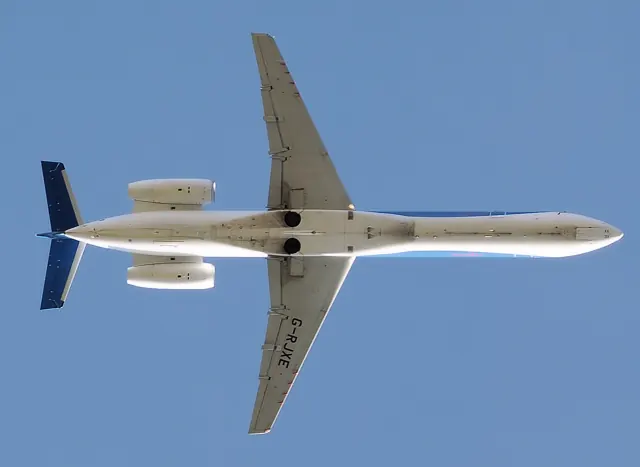
Embraer's regional-jet family, from the ERJ 135 to the longer ERJ 145.
A twin-hull flying boat with its engines mounted together above the wing.
The purpose-built Ryan monoplane used by Charles Lindbergh for his 1927 solo Atlantic crossing.
A Polish utility aircraft designed for short takeoffs and landings.
A tandem-seat jet trainer that also found a second life in civilian display and racing.
A wide-cabin business-jet family that developed from Canadair's original Challenger programme.
A small twin-engine amphibian that moved from business transport into military and utility service.
A fixed-wing observation aircraft with a helicopter-like view from its glazed nose.
A pressurised twin turboprop with a canard, composite airframe and rear-facing propellers.
A twin-turbine Huey descendant with a four-blade main rotor.
This is AirframeDB’s first release. More features and aircraft research are planned. Leave your email if you’d like occasional updates.