MSFS
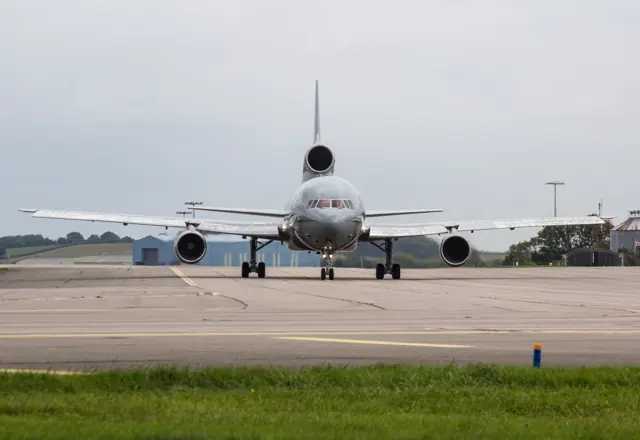
Lockheed L-1011 TriStar ↗
Lockheed's wide-body TriStar, with three RB211 engines and a distinctive tail intake.
1 implementations+ Compare
Explore the aircraft. Find your simulator. Follow the sources.
Lockheed's wide-body TriStar, with three RB211 engines and a distinctive tail intake.
An enclosed, two-seat autogyro with side-by-side seating and a pusher propeller.
A radial-engined utility aircraft closely associated with bush flying and float operations.
A purpose-built agricultural aircraft that also became a single-engine air tanker.
A twin-turbine Huey descendant with a four-blade main rotor.
A turbine-powered utility helicopter with a broad cabin and a long international service history.
A three-engine airliner that became a mainstay of Soviet and Russian passenger transport.
A composite touring single with a whole-aircraft parachute and several generations of avionics.
A four-engine airliner that brought pressurised-cabin travel into scheduled service.
A twin-engine business jet designed to retain some of the utility flexibility associated with the PC-12.
A large long-haul twin that introduced Boeing's first commercial fly-by-wire airliner flight controls.
A two-seat light amphibian with a compact boat hull and a pusher propeller.
A low-wing agricultural Cessna with a cockpit and hopper arranged around the job.
A radial-engine trainer that also served in combat and civilian warbird roles.
The Mitchell medium bomber, named for aviation advocate Billy Mitchell.
The H130 utility helicopter, descended from the AS350 and fitted with a Fenestron.
A four-engine Airbus wide-body developed in parallel with the A330.
A single-engine utility helicopter known as the Écureuil, Squirrel and AStar.
A streamlined light twin helicopter, with the later Bell 230 in the same family.
A wartime fighter developed from the earlier Curtiss P-36.
A modern medium twin-engine helicopter developed as a successor to the Dauphin line.
A British jet trainer with tandem seating and a long military training career.
A carrier-capable multirole fighter, larger than the earlier Hornet from which it developed.
This is AirframeDB’s first release. More features and aircraft research are planned. Leave your email if you’d like occasional updates.





































