MSFS
ATR 42-600 / 72-600 ↗
Regional flying built around a high wing, two turboprops and short sectors.
1 implementations+ Compare
Explore the aircraft. Find your simulator. Follow the sources.
Regional flying built around a high wing, two turboprops and short sectors.
TorqueSim's Pocket Rocket, a simulated PT6-powered light aircraft with two gear layouts.
Piper's two-seat trainer with fixed tricycle landing gear.
A rear-engined trijet built to bring jet service to shorter routes and smaller airports.
A four-seat, pressurised kit aircraft with a composite airframe and retractable landing gear.
A low-wing piston family that spans simple trainers, touring aircraft and retractable-gear Arrows.
A French two-seat aerobatic trainer with side-by-side seating and a distinctive curved wing outline.
A long-range twin designed around a new wide-body airframe and extensive composite construction.
A tandem-seat utility aircraft whose light structure and high wing suit bush, towing and recreational work.
A close-air-support aircraft with a straight wing, twin tail and two widely separated jet engines.
A radial-engined light transport whose long career covered passengers, freight and military training.
A twin-turboprop regional airliner developed through Swedish and American industrial cooperation.
Epic's experimental light-jet project, represented in simulation by Aerobask.
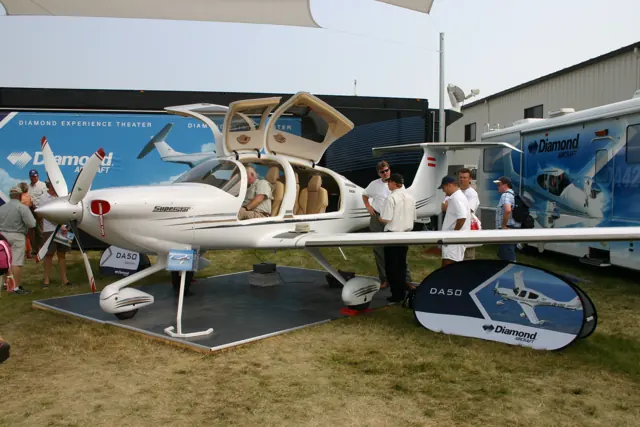
A five-seat composite single whose development led to the diesel DA50 RG.
A modern medium twin-engine helicopter developed as a successor to the Dauphin line.
A streamlined light twin helicopter, with the later Bell 230 in the same family.
A twin-radial airliner that helped make practical passenger transport a regular business.
A modern utility single whose family includes both tailwheel and nosewheel configurations.
A twin-turbine Huey descendant with a four-blade main rotor.
A pioneering light helicopter whose bubble cabin and exposed structure became widely recognisable.
An all-metal sport and touring aircraft from Bayerische Flugzeugwerke.
A regional jet family with four small engines, a high wing and a large split tail airbrake.
The Wilga is the real-aircraft starting point for Mike Patey's DRACO and the simulator's DRACO X.
A cabin biplane with the lower wing placed ahead of the upper one.
This is AirframeDB’s first release. More features and aircraft research are planned. Leave your email if you’d like occasional updates.