MSFS
Airbus A310-300 ↗
A shorter wide-body Airbus from the transition to two-pilot, electronic-instrument cockpits.
2 implementations+ Compare
Explore the aircraft. Find your simulator. Follow the sources.
A shorter wide-body Airbus from the transition to two-pilot, electronic-instrument cockpits.
Regional flying built around a high wing, two turboprops and short sectors.
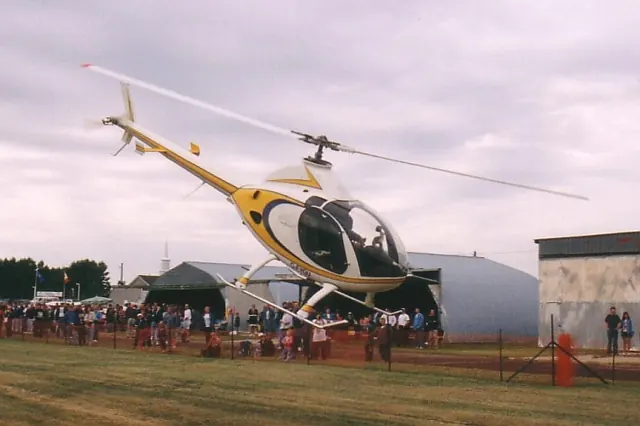
RotorWay's two-seat kit-helicopter family, with piston and turbine simulator interpretations.
A light business jet with a swept wing, rear-mounted engines and an integrated flight deck.
A lightweight pusher family with an enclosed cabin and a high, braced wing.
A large long-haul twin that introduced Boeing's first commercial fly-by-wire airliner flight controls.
A modern two-seat piston helicopter designed around the training role.
A single-seat competition sailplane offered in Standard and 18-metre configurations.
A rear-engined trijet built to bring jet service to shorter routes and smaller airports.
Dassault's long-range Falcon 8X, developed from the three-engine 7X.
A high-wing utility turboprop designed for short-field passenger and cargo work.
A light turbine helicopter combining an Alouette II airframe with more powerful Alouette III components.
A cabin biplane with the lower wing placed ahead of the upper one.
A 1920s flying boat with two engines arranged in tandem above the wing.
The Huey: a turbine-powered utility helicopter with a broad cabin and an unmistakable two-bladed rotor.
A fixed-wing observation aircraft with a helicopter-like view from its glazed nose.
A pressurised touring twin whose piston and turbine-conversion versions make a particularly interesting comparison.
A single-engine utility helicopter known as the Écureuil, Squirrel and AStar.
A carbon-fibre aerobatic monoplane family with a dedicated air-racing branch.
A post-war Businessliner with a radial engine, cabin transport ambitions and tailwheel gear.
A two-seat composite kit aircraft developed from the Lancair 320.
A self-launching sailplane family with its engine inside the fuselage and a folding nose propeller.
The second-generation Harrier, designed around vectored thrust and short-field operation.
The four-engine wide-body whose raised flight deck created one of aviation's most recognisable profiles.
This is AirframeDB’s first release. More features and aircraft research are planned. Leave your email if you’d like occasional updates.