MSFS X-Plane
Bell 206 family ↗
The JetRanger and LongRanger family: a familiar turbine-helicopter shape with distinct cabin lengths.
3 implementations+ Compare
Explore the aircraft. Find your simulator. Follow the sources.
The JetRanger and LongRanger family: a familiar turbine-helicopter shape with distinct cabin lengths.
A twin-engine utility helicopter with roots in the BK 117 and EC145 families.
An open-cockpit biplane trainer that found a second life in civilian flying.
A twin-turboprop regional airliner developed through Swedish and American industrial cooperation.
A two-seat light amphibian with a compact boat hull and a pusher propeller.
A twin-aisle Boeing designed alongside the 757's generation of two-pilot flight decks.
A tailwheel utility single built around a high wing and a substantial working cabin.
An enlarged Velocity kit aircraft with a canard and rear-mounted pusher propeller.
A very light twin jet developed from the Eclipse 500.
A light turbine helicopter whose land-based Scout and naval Wasp branches served different jobs.
Epic's experimental light-jet project, represented in simulation by Aerobask.
A two-seat, twin-engine fighter that served naval and land-based air forces in many roles.
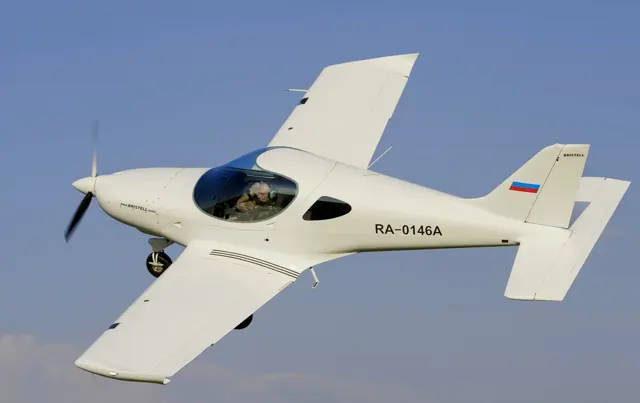
BRM Aero's two-seat B23, represented in MSFS by Airfoillabs.
A specialised reconnaissance aircraft designed for very high altitude and sustained supersonic flight.
A four-engine jetliner that helped establish the shape of long-distance jet travel.
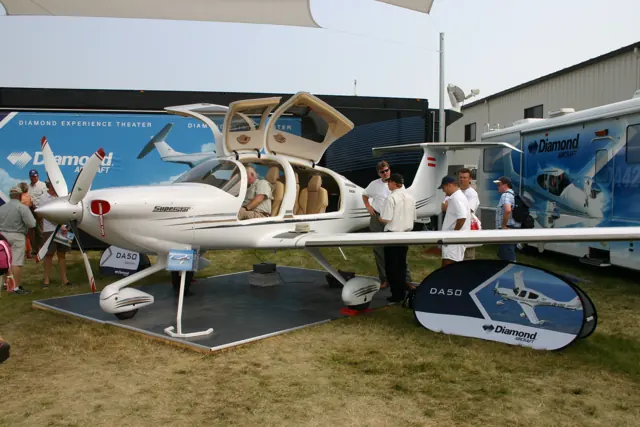
A five-seat composite single whose development led to the diesel DA50 RG.
A low-wing agricultural Cessna with a cockpit and hopper arranged around the job.
A composite touring single with a whole-aircraft parachute and several generations of avionics.
A family of single-aisle airliners built around sidesticks, electronic flight controls and a shared cockpit.
A compact rear-engined jet designed for short-haul regional airline work.
The Model 525 CitationJet, the starting point of Cessna's CJ and M2 lineage.
Dassault's long-range Falcon 8X, developed from the three-engine 7X.
A long-running touring single, familiar in both V-tail and conventional-tail forms.
This is AirframeDB’s first release. More features and aircraft research are planned. Leave your email if you’d like occasional updates.