MSFS
Extra 330LT ↗
A purpose-built aerobatic monoplane family developed by pilot and designer Walter Extra.
2 implementations+ Compare
Explore the aircraft. Find your simulator. Follow the sources.
A purpose-built aerobatic monoplane family developed by pilot and designer Walter Extra.
A narrow-body twin developed as a new generation of medium-range airliner.
A small open gyroplane with an unpowered rotor and pusher propulsion.
A tandem-seat homebuilt jet with composite construction and retractable landing gear.
A modern two-seat piston helicopter designed around the training role.
The fixed-gear, six-cylinder touring branch of Piper's PA-28 family.
A two-seat light amphibian with a compact boat hull and a pusher propeller.
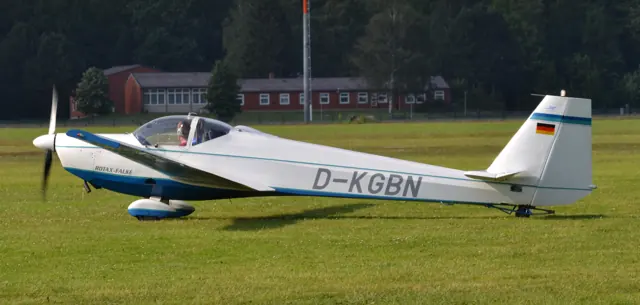
A side-by-side touring motorglider used for both powered flying and soaring.
A large twin-engine helicopter from the Super Puma line, used for offshore and public-service work.
A four-engine tactical transport built around a rear loading ramp and access to austere airfields.
A regional jet family with four small engines, a high wing and a large split tail airbrake.
A carrier-capable multirole fighter, larger than the earlier Hornet from which it developed.
A high-wing light sport aircraft with a broad glazed cabin and tricycle landing gear.
The Wilga is the real-aircraft starting point for Mike Patey's DRACO and the simulator's DRACO X.
A pressurised single turboprop with a large cargo door and a broad range of working roles.
Embraer's regional-jet family, from the ERJ 135 to the longer ERJ 145.
A midsize business jet developed by Bombardier’s Learjet division.
A pioneering light helicopter whose bubble cabin and exposed structure became widely recognisable.
A single-engine turboprop workhorse for passenger services, freight and remote-area transport.
A compact utility helicopter distinguished by its enclosed Fenestron tail rotor.
A light tandem-seat taildragger built around the familiar braced high-wing layout.
A compact twin-engine transport helicopter with retractable gear and a long development history.
A compact Czech touring aircraft with side-by-side seats and a streamlined low-wing airframe.
The purpose-built Ryan monoplane used by Charles Lindbergh for his 1927 solo Atlantic crossing.
New aircraft, useful sources and improvements to AirframeDB. Occasional updates, when there’s something to share.