MSFS
CubCrafters XCub ↗
A modern utility single whose family includes both tailwheel and nosewheel configurations.
4 implementations+ Compare
Explore the aircraft. Find your simulator. Follow the sources.
A modern utility single whose family includes both tailwheel and nosewheel configurations.
A modern medium twin-engine helicopter developed as a successor to the Dauphin line.
A box-shaped utility twin whose cabin and rear access are central to its design.
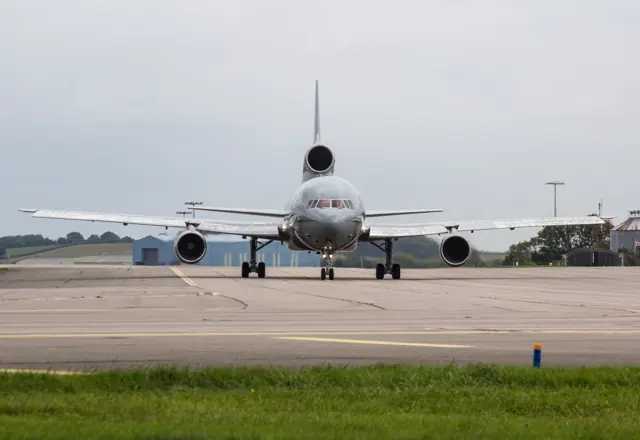
Lockheed's wide-body TriStar, with three RB211 engines and a distinctive tail intake.
A single-engine turboprop workhorse for passenger services, freight and remote-area transport.
A four-bladed utility helicopter developed from the LongRanger lineage.
An Italian light aircraft known for military training and aerobatic use.
A close-air-support aircraft with a straight wing, twin tail and two widely separated jet engines.
A wartime fighter developed from the earlier Curtiss P-36.
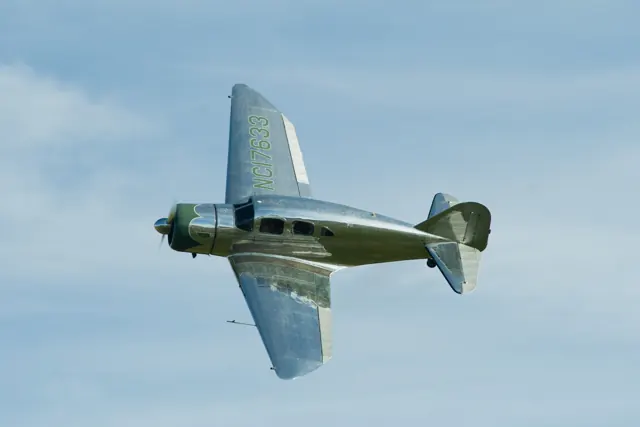
A late-1930s cabin aircraft with metal construction and retractable landing gear.
A Brazilian light trainer with a high wing, tandem seats and a simple utility layout.
The Wilga is the real-aircraft starting point for Mike Patey's DRACO and the simulator's DRACO X.
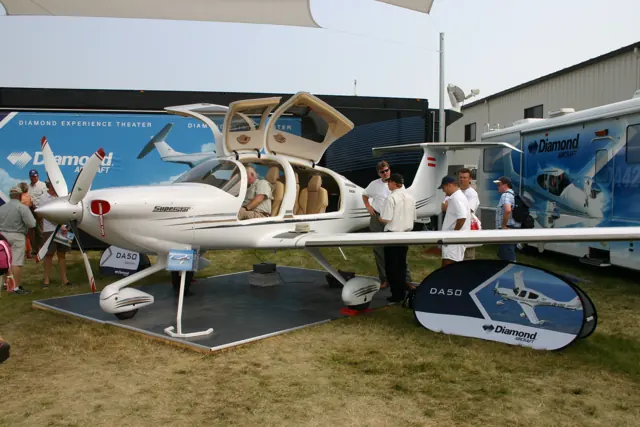
A five-seat composite single whose development led to the diesel DA50 RG.
Two related Dutch regional jets developed from the F28 lineage.
A super-midsize business jet with a swept wing, rear-mounted engines and an integrated glass cockpit.
A vast inter-war flying boat with twelve engines arranged in six paired installations.
A single-seat competition sailplane offered in Standard and 18-metre configurations.
A Canadian tandem-seat trainer developed after the Second World War.
A utility piston twin designed for commuter and specialist transport missions.
A fixed-gear twin turboprop with a long history in regional and remote-area transport.
A utility-aircraft family whose stretched 207 branch trades compact proportions for more cabin space.
A tandem-seat utility aircraft whose light structure and high wing suit bush, towing and recreational work.
A 1920s flying boat with two engines arranged in tandem above the wing.
A shorter wide-body Airbus from the transition to two-pilot, electronic-instrument cockpits.
This is AirframeDB’s first release. More features and aircraft research are planned. Leave your email if you’d like occasional updates.