X-Plane
Boeing-Stearman Model 75 ↗
An open-cockpit biplane trainer that found a second life in civilian flying.
1 implementations+ Compare
Explore the aircraft. Find your simulator. Follow the sources.
An open-cockpit biplane trainer that found a second life in civilian flying.
A two-seat naval fighter with variable-sweep wings and a cockpit built around pilot and radar-intercept officer roles.
Two related Dutch regional jets developed from the F28 lineage.
A twin-engine utility helicopter with roots in the BK 117 and EC145 families.
A two-seat Tecnam high-wing aircraft combining composite and metal construction.
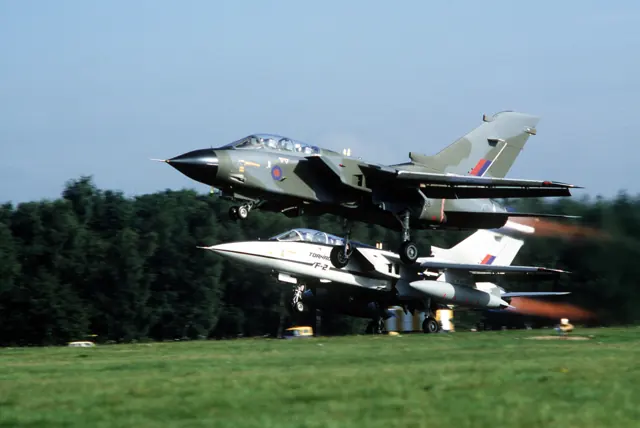
A European variable-sweep combat-aircraft family with distinct strike and interceptor versions.
A cabin-class piston twin designed for commuter, cargo and utility work.
A cabin biplane with the lower wing placed ahead of the upper one.
A self-launching sailplane family with its engine inside the fuselage and a folding nose propeller.
A tandem two-seat sailplane family used for training and cross-country soaring.
A radial-engine trainer that also served in combat and civilian warbird roles.
A shorter wide-body Airbus from the transition to two-pilot, electronic-instrument cockpits.
A composite amphibian that carries Dornier's centreline engine arrangement into the turboprop era.
An advanced trainer known around the world as the Texan, Harvard and SNJ.
A five-seat turbine helicopter developed from Robinson's smaller piston-helicopter line.
A pressurised single turboprop with a large cargo door and a broad range of working roles.
Diamond's four-seat light twin, developed with diesel-powered versions.
The purpose-built Ryan monoplane used by Charles Lindbergh for his 1927 solo Atlantic crossing.
A wartime fighter developed from the earlier Curtiss P-36.
A large long-haul twin that introduced Boeing's first commercial fly-by-wire airliner flight controls.
The fixed-gear, six-cylinder touring branch of Piper's PA-28 family.
A pioneering light helicopter whose bubble cabin and exposed structure became widely recognisable.
A twin-turboprop family whose smaller conventional-tail and larger T-tail branches have distinct identities.
Regional flying built around a high wing, two turboprops and short sectors.
This is AirframeDB’s first release. More features and aircraft research are planned. Leave your email if you’d like occasional updates.