MSFS
Hughes H-4 Hercules ↗
A huge wooden flying-boat prototype that made one brief flight in 1947.
2 implementations+ Compare
Explore the aircraft. Find your simulator. Follow the sources.
A huge wooden flying-boat prototype that made one brief flight in 1947.
A self-launching sailplane family with its engine inside the fuselage and a folding nose propeller.
A four-engine tactical transport built around a rear loading ramp and access to austere airfields.
A small three-engine demonstrator created to explore technologies for a future supersonic airliner.
A retractable-gear touring single with an all-metal airframe and a long-lived enthusiast following.
A four-seat, pressurised kit aircraft with a composite airframe and retractable landing gear.
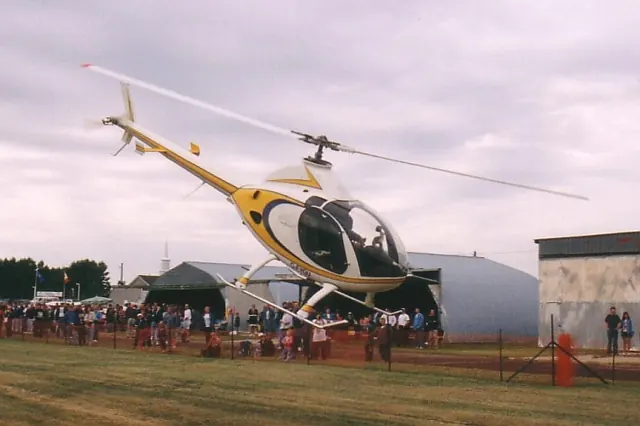
RotorWay's two-seat kit-helicopter family, with piston and turbine simulator interpretations.
The Stationair utility family, combining a high wing with fixed landing gear.
A family of single-aisle airliners built around sidesticks, electronic flight controls and a shared cockpit.
Regional flying built around a high wing, two turboprops and short sectors.
An advanced trainer known around the world as the Texan, Harvard and SNJ.
A 1920s transport family that developed from a single-engine airliner into a trimotor.
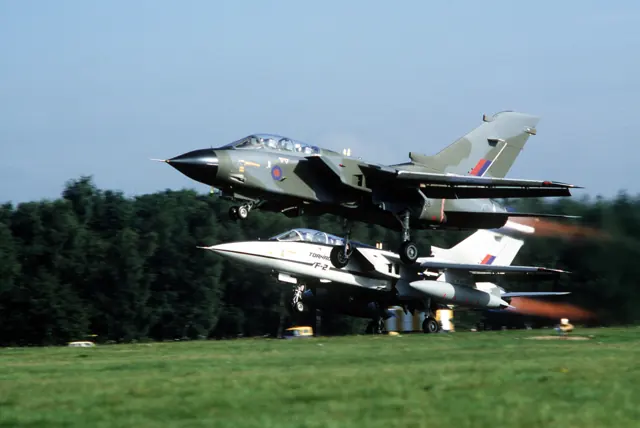
A European variable-sweep combat-aircraft family with distinct strike and interceptor versions.
A midsize business jet developed by Bombardier’s Learjet division.
A four-seat composite touring and training aircraft developed from Diamond's smaller two-seater.
A lightweight short-field aircraft with a specialised wing and tall, shock-absorbing landing gear.
The second-generation Harrier, designed around vectored thrust and short-field operation.
A long-range twin designed around a new wide-body airframe and extensive composite construction.
A streamlined twin-engine helicopter with a Fenestron tail rotor and retractable landing gear.
An Italian light aircraft known for military training and aerobatic use.
A large twin-radial transport that carried heavy loads through wartime and post-war freight service.
The purpose-built Ryan monoplane used by Charles Lindbergh for his 1927 solo Atlantic crossing.
A twin-engine business jet designed to retain some of the utility flexibility associated with the PC-12.
A push-pull twin with one engine at each end of the central fuselage.
This is AirframeDB’s first release. More features and aircraft research are planned. Leave your email if you’d like occasional updates.