MSFS X-Plane
Cessna Caravan family ↗
A single-engine turboprop workhorse for passenger services, freight and remote-area transport.
4 implementations+ Compare
Explore the aircraft. Find your simulator. Follow the sources.
A single-engine turboprop workhorse for passenger services, freight and remote-area transport.
A twin-hull flying boat with its engines mounted together above the wing.
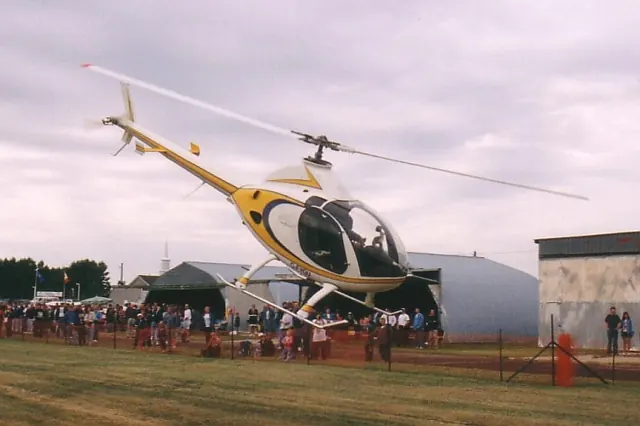
RotorWay's two-seat kit-helicopter family, with piston and turbine simulator interpretations.
A rear-engined trijet built to bring jet service to shorter routes and smaller airports.
A Swedish reconnaissance and dive-bombing aircraft from the early 1940s.
Lockheed's tandem-seat Shooting Star jet trainer.
A twin-aisle Boeing designed alongside the 757's generation of two-pilot flight decks.
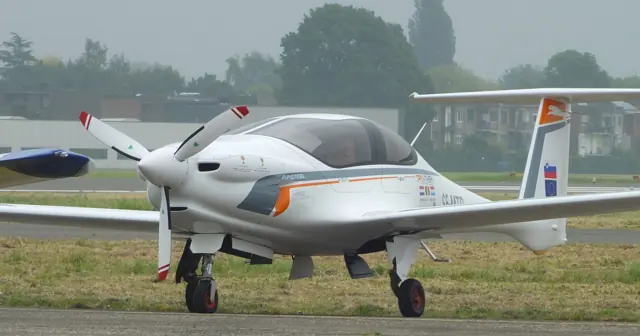
Pipistrel's streamlined four-seat composite-aircraft design.
A huge wooden flying-boat prototype that made one brief flight in 1947.
An enclosed, two-seat autogyro with side-by-side seating and a pusher propeller.
A tandem two-seat sailplane family used for training and cross-country soaring.
The four-engine wide-body whose raised flight deck created one of aviation's most recognisable profiles.
A wide-cabin business-jet family that developed from Canadair's original Challenger programme.
Cessna's unusual piston-powered helicopter, marketed as the Skyhook.
A tandem-seat jet trainer that also found a second life in civilian display and racing.
An advanced trainer known around the world as the Texan, Harvard and SNJ.
A long-range twin designed around a new wide-body airframe and extensive composite construction.
A small three-engine demonstrator created to explore technologies for a future supersonic airliner.
A vast inter-war flying boat with twelve engines arranged in six paired installations.
A light turbine helicopter combining an Alouette II airframe with more powerful Alouette III components.
A twin-radial airliner that helped make practical passenger transport a regular business.
A pressurised four-engine piston transport from the last major generation before the jet airliner.
The second-generation Harrier, designed around vectored thrust and short-field operation.
A stretched development of the DC-9 with rear-mounted engines and a five-abreast cabin.
This is AirframeDB’s first release. More features and aircraft research are planned. Leave your email if you’d like occasional updates.