MSFS
Pilatus PC-24 ↗
A twin-engine business jet designed to retain some of the utility flexibility associated with the PC-12.
1 implementations+ Compare
Explore the aircraft. Find your simulator. Follow the sources.
A twin-engine business jet designed to retain some of the utility flexibility associated with the PC-12.
An enlarged Velocity kit aircraft with a canard and rear-mounted pusher propeller.
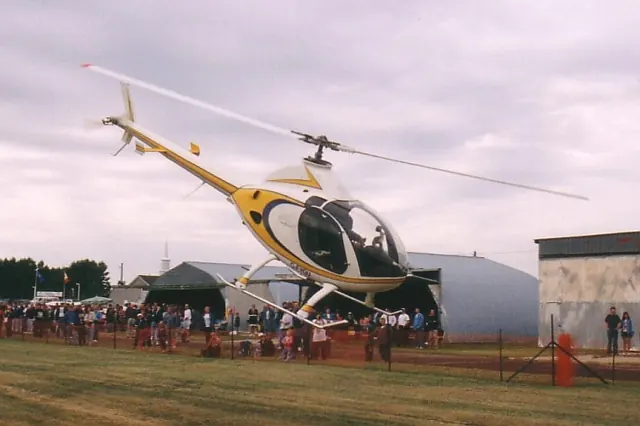
RotorWay's two-seat kit-helicopter family, with piston and turbine simulator interpretations.
An open, single-seat ultralight with its propeller behind the pilot.
A two-seat composite kit aircraft developed from the Lancair 320.
A long-range fighter whose different engine and canopy developments produced several distinct forms.
A twin-aisle Boeing designed alongside the 757's generation of two-pilot flight decks.
A six-engine flying boat created for long-distance passenger travel over water.
A large twin-engine helicopter from the Super Puma line, used for offshore and public-service work.
A Brazilian light trainer with a high wing, tandem seats and a simple utility layout.
A twin-turboprop family whose smaller conventional-tail and larger T-tail branches have distinct identities.
An amphibious turboprop designed around scooping water and delivering it to fires.
A personal jet with one engine above the rear fuselage and a distinctive V-tail.
A twin-turboprop regional airliner developed through Swedish and American industrial cooperation.
A tandem-seat utility aircraft whose light structure and high wing suit bush, towing and recreational work.
A twin-turbine Huey descendant with a four-blade main rotor.
A midsize business jet developed by Bombardier’s Learjet division.
A large long-haul twin that introduced Boeing's first commercial fly-by-wire airliner flight controls.
A cabin biplane with the lower wing placed ahead of the upper one.
A large amphibious flying boat built around maritime rescue and utility transport.
A four-seat high-wing single that spans generations of conventional instruments and glass cockpits.
A compact rear-engined jet designed for short-haul regional airline work.
A long-range twin whose programme emphasised composite construction and more electrically powered systems.
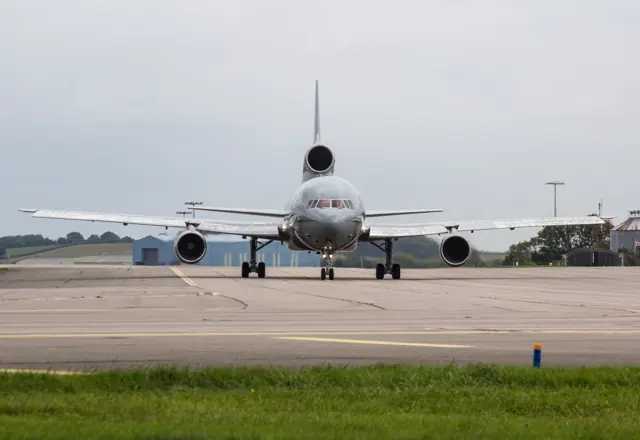
Lockheed's wide-body TriStar, with three RB211 engines and a distinctive tail intake.
This is AirframeDB’s first release. More features and aircraft research are planned. Leave your email if you’d like occasional updates.