MSFS
Junkers F13 ↗
A pioneering all-metal transport with an enclosed passenger cabin and corrugated skin.
1 implementations+ Compare
Explore the aircraft. Find your simulator. Follow the sources.
A pioneering all-metal transport with an enclosed passenger cabin and corrugated skin.
A three-engine airliner that became a mainstay of Soviet and Russian passenger transport.
A regional jet family with four small engines, a high wing and a large split tail airbrake.
A wide-cabin business-jet family that developed from Canadair's original Challenger programme.
A long-haul twin whose family spans passenger, freight and specialist transport roles.
A tandem two-seat sailplane designed for instruction and broader soaring use.
A two-seat Tecnam high-wing aircraft combining composite and metal construction.
A wooden touring-aircraft family recognisable by the upward-angled outer wing panels.
A four-seat, pressurised kit aircraft with a composite airframe and retractable landing gear.
A compact twin-engine helicopter widely used for medical, police and training work.
A super-midsize business jet with a swept wing, rear-mounted engines and an integrated glass cockpit.
The H130 utility helicopter, descended from the AS350 and fitted with a Fenestron.
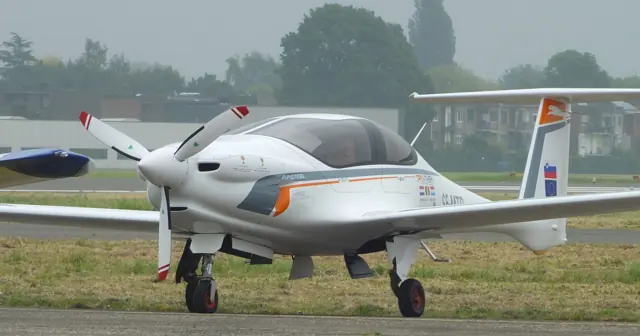
Pipistrel's streamlined four-seat composite-aircraft design.
The Huey: a turbine-powered utility helicopter with a broad cabin and an unmistakable two-bladed rotor.
A single-engine utility helicopter known as the Écureuil, Squirrel and AStar.
Mooney's four-seat piston family, developed through many touring-aircraft variants.
A retractable-gear touring single with an all-metal airframe and a long-lived enthusiast following.
A midsize business jet developed by Bombardier’s Learjet division.
A corrugated-metal, three-engine transport from the formative years of airline travel.
A six-engine heavy transport created for exceptionally large external and internal loads.
A light turbine helicopter whose land-based Scout and naval Wasp branches served different jobs.
A Brazilian light trainer with a high wing, tandem seats and a simple utility layout.
Cirrus's first type-certified aircraft, a composite piston single.
The purpose-built Ryan monoplane used by Charles Lindbergh for his 1927 solo Atlantic crossing.
This is AirframeDB’s first release. More features and aircraft research are planned. Leave your email if you’d like occasional updates.