MSFS
Lockheed L-1011 TriStar ↗
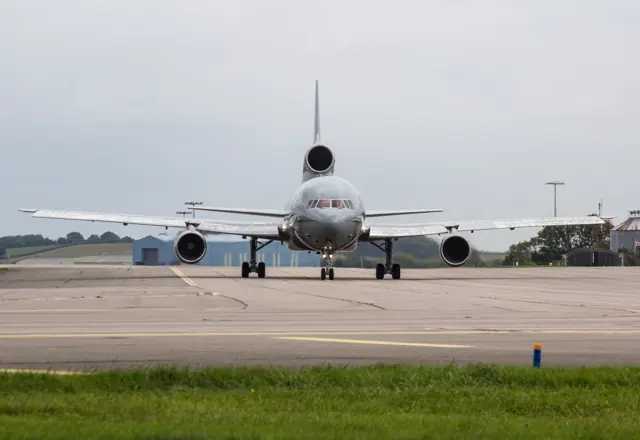
Lockheed's wide-body TriStar, with three RB211 engines and a distinctive tail intake.
1 implementations+ Compare
Explore the aircraft. Find your simulator. Follow the sources.
Lockheed's wide-body TriStar, with three RB211 engines and a distinctive tail intake.
A five-seat turbine helicopter developed from Robinson's smaller piston-helicopter line.
Tecnam's four-seat high-wing single, built with metal and carbon-fibre components.
A side-by-side two-seat sailplane with a retractable powerplant for self-launching.
A cabin-class piston twin designed for commuter, cargo and utility work.
An unpowered military cargo glider designed to deliver troops and equipment behind a tow aircraft.
A turbine-powered utility helicopter with a broad cabin and a long international service history.
A four-seat touring family whose Commander 114 added a larger engine and further refinements.
A corrugated-metal, three-engine transport from the formative years of airline travel.
A composite touring single with a whole-aircraft parachute and several generations of avionics.
A carrier-capable multirole fighter, larger than the earlier Hornet from which it developed.
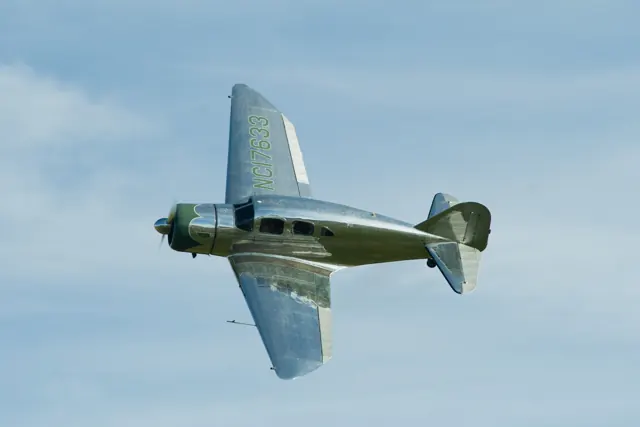
A late-1930s cabin aircraft with metal construction and retractable landing gear.
A rear-engined trijet built to bring jet service to shorter routes and smaller airports.
A three-engine airliner that became a mainstay of Soviet and Russian passenger transport.
A pressurised twin turboprop with a canard, composite airframe and rear-facing propellers.
A twin-radial airliner that helped make practical passenger transport a regular business.
Lockheed's tandem-seat Shooting Star jet trainer.
A compact rear-engined jet designed for short-haul regional airline work.
A two-seat composite light-aircraft family with a high wing and a compact enclosed cabin.
A small observation-helicopter family with a rounded cabin and compact rotor system.
A close-air-support aircraft with a straight wing, twin tail and two widely separated jet engines.
The Mitchell medium bomber, named for aviation advocate Billy Mitchell.
The Wilga is the real-aircraft starting point for Mike Patey's DRACO and the simulator's DRACO X.
A utility-aircraft family whose stretched 207 branch trades compact proportions for more cabin space.
This is AirframeDB’s first release. More features and aircraft research are planned. Leave your email if you’d like occasional updates.