MSFS
Beechcraft Model 17 Staggerwing ↗
A cabin biplane with the lower wing placed ahead of the upper one.
1 implementations+ Compare
Explore the aircraft. Find your simulator. Follow the sources.
A cabin biplane with the lower wing placed ahead of the upper one.
A close-air-support aircraft with a straight wing, twin tail and two widely separated jet engines.
A wooden touring-aircraft family recognisable by the upward-angled outer wing panels.
A pressurised twin turboprop with a canard, composite airframe and rear-facing propellers.
A six-engine heavy transport created for exceptionally large external and internal loads.
A small observation-helicopter family with a rounded cabin and compact rotor system.
A long-range strategic bomber with a swept wing and eight jet engines in paired pods.
A four-engine jetliner that helped establish the shape of long-distance jet travel.
The JetRanger and LongRanger family: a familiar turbine-helicopter shape with distinct cabin lengths.
A four-seat composite touring and training aircraft developed from Diamond's smaller two-seater.
A long-running touring single, familiar in both V-tail and conventional-tail forms.
A single-engine utility helicopter known as the Écureuil, Squirrel and AStar.
The CJ4 belongs to Cessna's light-jet line, with two rear-mounted engines and a T-tail.
A compact utility helicopter distinguished by its enclosed Fenestron tail rotor.
A twin-turboprop utility aircraft developed by Reims Aviation with Cessna.
A long-range twin designed around a new wide-body airframe and extensive composite construction.
A two-seat composite kit aircraft developed from the Lancair 320.
A carrier-capable multirole fighter, larger than the earlier Hornet from which it developed.
A four-seat, pressurised kit aircraft with a composite airframe and retractable landing gear.
A long-range twin whose programme emphasised composite construction and more electrically powered systems.
A tandem two-seat sailplane designed for instruction and broader soaring use.
A modern medium twin-engine helicopter developed as a successor to the Dauphin line.
Tecnam's two-seat, low-wing Sierra, introduced in the early 2000s.
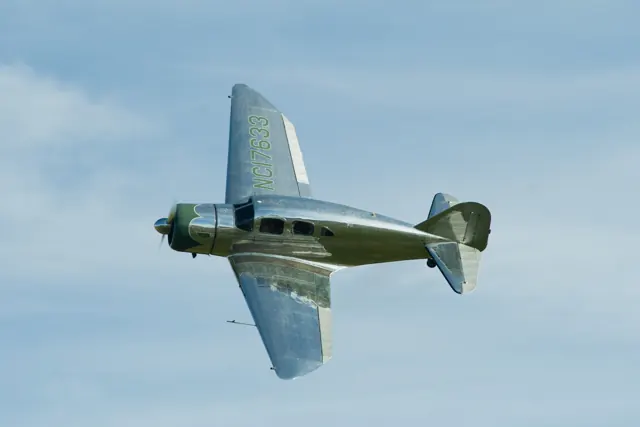
A late-1930s cabin aircraft with metal construction and retractable landing gear.
This is AirframeDB’s first release. More features and aircraft research are planned. Leave your email if you’d like occasional updates.