MSFS
Boeing 307 Stratoliner ↗
A four-engine airliner that brought pressurised-cabin travel into scheduled service.
1 implementations+ Compare
Explore the aircraft. Find your simulator. Follow the sources.
A four-engine airliner that brought pressurised-cabin travel into scheduled service.
A streamlined twin-engine helicopter with a Fenestron tail rotor and retractable landing gear.
A high-wing utility turboprop designed for short-field passenger and cargo work.
A radial-engine trainer that also served in combat and civilian warbird roles.
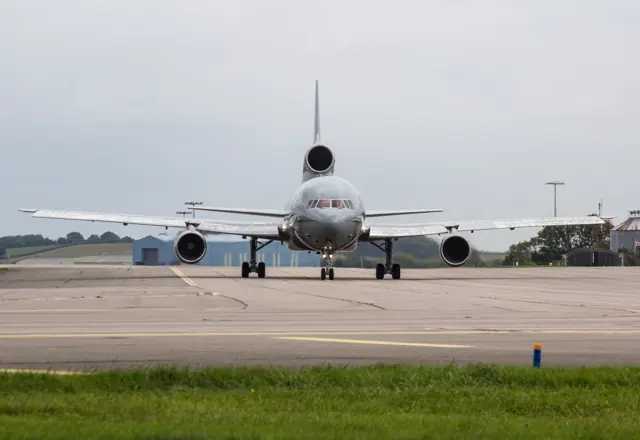
Lockheed's wide-body TriStar, with three RB211 engines and a distinctive tail intake.
A small twin-engine amphibian that moved from business transport into military and utility service.
A light tandem-seat taildragger built around the familiar braced high-wing layout.
A pressurised single-engine turboprop family that combines a compact cabin with retractable gear.
The four-engine wide-body whose raised flight deck created one of aviation's most recognisable profiles.
The CJ4 belongs to Cessna's light-jet line, with two rear-mounted engines and a T-tail.
Avro's delta-wing bomber, developed for Britain's postwar strategic force.
A compact twin-engine transport helicopter with retractable gear and a long development history.
An open-cockpit biplane trainer that found a second life in civilian flying.
A wide-cabin business-jet family that developed from Canadair's original Challenger programme.
A twin-turbine Huey descendant with a four-blade main rotor.
A self-launching sailplane family with its engine inside the fuselage and a folding nose propeller.
A compact rear-engined jet designed for short-haul regional airline work.
A stretched development of the DC-9 with rear-mounted engines and a five-abreast cabin.
The H130 utility helicopter, descended from the AS350 and fitted with a Fenestron.
The JetRanger and LongRanger family: a familiar turbine-helicopter shape with distinct cabin lengths.
A large long-haul twin that introduced Boeing's first commercial fly-by-wire airliner flight controls.
A composite amphibian that carries Dornier's centreline engine arrangement into the turboprop era.
The Wilga is the real-aircraft starting point for Mike Patey's DRACO and the simulator's DRACO X.
A long-range twin designed around a new wide-body airframe and extensive composite construction.
This is AirframeDB’s first release. More features and aircraft research are planned. Leave your email if you’d like occasional updates.