MSFS
Bell 407 ↗
A four-bladed utility helicopter developed from the LongRanger lineage.
2 implementations+ Compare
Explore the aircraft. Find your simulator. Follow the sources.
A four-bladed utility helicopter developed from the LongRanger lineage.
A pressurised twin turboprop with a canard, composite airframe and rear-facing propellers.
A fixed-wing observation aircraft with a helicopter-like view from its glazed nose.
A four-engine airliner that brought pressurised-cabin travel into scheduled service.
A twin-radial military transport with a rear ramp and short-field design priorities.
A two-seat naval fighter with variable-sweep wings and a cockpit built around pilot and radar-intercept officer roles.
A tandem two-seat sailplane family used for training and cross-country soaring.
A close-air-support aircraft with a straight wing, twin tail and two widely separated jet engines.
A cabin-class piston twin designed for commuter, cargo and utility work.
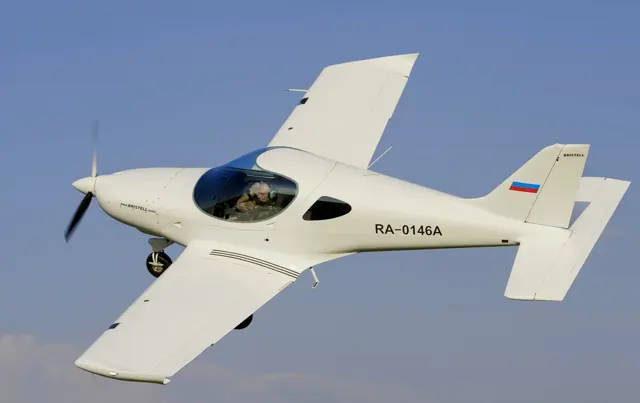
BRM Aero's two-seat B23, represented in MSFS by Airfoillabs.
A rear-engined trijet built to bring jet service to shorter routes and smaller airports.
A vast inter-war flying boat with twelve engines arranged in six paired installations.
A single-engine utility helicopter known as the Écureuil, Squirrel and AStar.
The Mitchell medium bomber, named for aviation advocate Billy Mitchell.
A long-haul twin whose family spans passenger, freight and specialist transport roles.
A compact two-seat light aircraft with a high wing and a wide range of development variants.
A modern medium twin-engine helicopter developed as a successor to the Dauphin line.
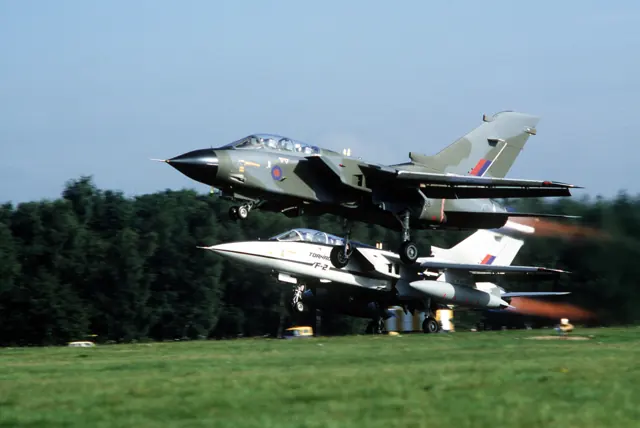
A European variable-sweep combat-aircraft family with distinct strike and interceptor versions.
The purpose-built Ryan monoplane used by Charles Lindbergh for his 1927 solo Atlantic crossing.
A four-seat high-wing single that spans generations of conventional instruments and glass cockpits.
A radial-engine trainer that also served in combat and civilian warbird roles.
A short-haul jet family that evolved through several generations of engines, wings and flight decks.
An enclosed, two-seat autogyro with side-by-side seating and a pusher propeller.
The Wilga is the real-aircraft starting point for Mike Patey's DRACO and the simulator's DRACO X.
This is AirframeDB’s first release. More features and aircraft research are planned. Leave your email if you’d like occasional updates.