MSFS
Airbus A310-300 ↗
A shorter wide-body Airbus from the transition to two-pilot, electronic-instrument cockpits.
2 implementations+ Compare
Explore the aircraft. Find your simulator. Follow the sources.
A shorter wide-body Airbus from the transition to two-pilot, electronic-instrument cockpits.
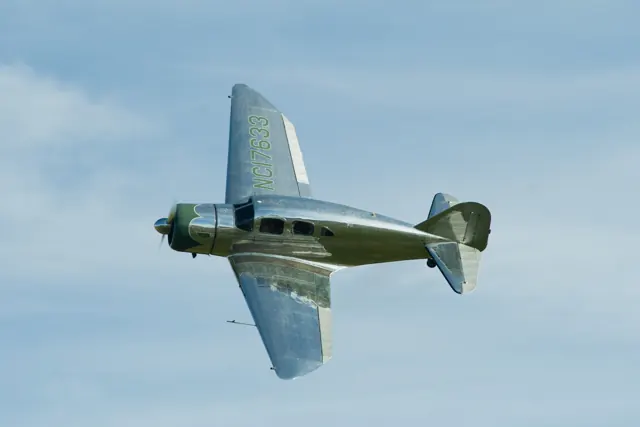
A late-1930s cabin aircraft with metal construction and retractable landing gear.
A military transport developed from the DC-3, used for cargo, troops, parachuting and glider towing.
A two-seat light amphibian with a compact boat hull and a pusher propeller.
A post-war Businessliner with a radial engine, cabin transport ambitions and tailwheel gear.
The Mitchell medium bomber, named for aviation advocate Billy Mitchell.
A four-seat high-wing single that spans generations of conventional instruments and glass cockpits.
A four-engine tactical transport built around a rear loading ramp and access to austere airfields.
The H130 utility helicopter, descended from the AS350 and fitted with a Fenestron.
A four-seat, pressurised kit aircraft with a composite airframe and retractable landing gear.
A four-engine airliner that brought pressurised-cabin travel into scheduled service.
A French two-seat aerobatic trainer with side-by-side seating and a distinctive curved wing outline.
The purpose-built Ryan monoplane used by Charles Lindbergh for his 1927 solo Atlantic crossing.
The fixed-gear, six-cylinder touring branch of Piper's PA-28 family.
A compact two-seat light aircraft with a high wing and a wide range of development variants.
A DC-10-derived tanker that combined aerial refuelling with passenger and cargo transport.
A British jet trainer with tandem seating and a long military training career.
A rear-engined trijet built to bring jet service to shorter routes and smaller airports.
A high-wing utility turboprop designed for short-field passenger and cargo work.
A small twin-engine amphibian that moved from business transport into military and utility service.
A Canadian tandem-seat trainer developed after the Second World War.
A wooden touring-aircraft family recognisable by the upward-angled outer wing panels.
A two-seat Tecnam high-wing aircraft combining composite and metal construction.
A huge wooden flying-boat prototype that made one brief flight in 1947.
This is AirframeDB’s first release. More features and aircraft research are planned. Leave your email if you’d like occasional updates.