MSFS
Dornier Seastar ↗
A composite amphibian that carries Dornier's centreline engine arrangement into the turboprop era.
1 implementations+ Compare
Explore the aircraft. Find your simulator. Follow the sources.
A composite amphibian that carries Dornier's centreline engine arrangement into the turboprop era.
A small observation-helicopter family with a rounded cabin and compact rotor system.
The Wilga is the real-aircraft starting point for Mike Patey's DRACO and the simulator's DRACO X.
Lockheed's tandem-seat Shooting Star jet trainer.
A two-seat training single with a high wing and fixed tricycle landing gear.
A utility piston twin designed for commuter and specialist transport missions.
A midsize business jet developed by Bombardier’s Learjet division.
A pressurised single-engine turboprop family that combines a compact cabin with retractable gear.
A very light twin jet developed from the Eclipse 500.
Regional flying built around a high wing, two turboprops and short sectors.
A personal jet with one engine above the rear fuselage and a distinctive V-tail.
A two-seat, twin-engine fighter that served naval and land-based air forces in many roles.
A super-midsize business jet with a swept wing, rear-mounted engines and an integrated glass cockpit.
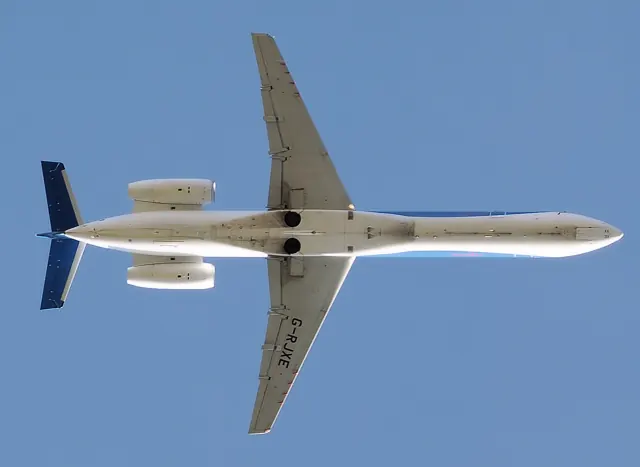
Embraer's regional-jet family, from the ERJ 135 to the longer ERJ 145.
A tandem-seat light aircraft with a streamlined low-wing layout.
A twin-turbine Huey descendant with a four-blade main rotor.
A long-range twin whose programme emphasised composite construction and more electrically powered systems.
An open, single-seat ultralight with its propeller behind the pilot.
A pressurised single turboprop with a large cargo door and a broad range of working roles.
A tandem two-seat sailplane designed for instruction and broader soaring use.
Piper's two-seat trainer with fixed tricycle landing gear.
A military liaison aircraft built around a high wing, tandem cabin and short-field utility work.
A tandem-seat homebuilt jet with composite construction and retractable landing gear.
A rear-engined trijet built to bring jet service to shorter routes and smaller airports.
This is AirframeDB’s first release. More features and aircraft research are planned. Leave your email if you’d like occasional updates.