Find aircraft background, systems descriptions and manuals for the aircraft you are researching. Each note keeps its source and version context close by.
Simulator manuals describe the developer’s implementation. Aircraft background is research-based; pilot accounts describe an individual’s experience. Coverage here is limited to the selected notes and linked resources, not the full contents of every manual.
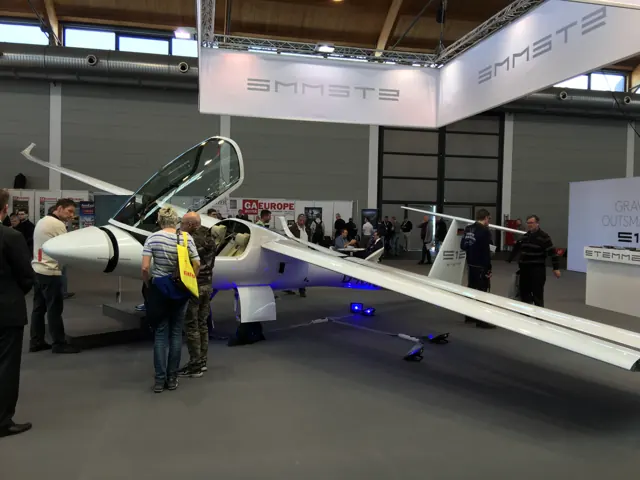
Stemme S12G
Stemme places the engine within the fuselage and drives a propeller that folds into the nose for gliding flight. Side-by-side seats and long wings combine powered touring with soaring.
The MSFS S12G is a later development. S10 references describe the underlying concept, while the S12G manual documents its propulsion controls and cockpit. Photographs of the S10 are labelled as family background.
Aircraft / family
FSReborn Sting S4 · FSReborn · MSFS 2020 · MSFS 2024
Engine condition and recovery systems
FSReborn describes Rotax engine behaviour, maintenance and a ballistic recovery system in its Sting S4 rendition. The product supports MSFS 2020 and 2024.
FSReborn Sting S4 exact product and compatibility
Taylorcraft BC-12D
The BC-12D configurations in Got Friends' manual span small Continental engines and several undercarriages. The Classic and Winter aircraft use the A65; Backcountry and Seafarer versions use the C85. Wheels, floats and skis adapt the same family to different operating surfaces.
The simulator's Classic radio panel has no autopilot. Optional GPS suites add a KAP140, while the later Sportsman configuration combines Classic styling with the C85 engine and its own flight dynamics.
Taylorcraft BC-12D
Tecnam P2002 Sierra · AeroSachs · MSFS 2020 · MSFS 2024
A published variable controls the choke animation
The v1.1.0 changelog names XMLVAR_ENGINE_LEVER_CHOKE_PULLED for controlling the choke animation. It does not establish a physical engine-state mapping or a particular hardware integration.
Publisher changelog, v1.1.0; identifier checked directly, animation scope retained
Tecnam P2006T · FlightSim Studio · FlightSim Studio · MSFS 2020
Easy and Realistic modes change more than starting
Easy mode uses the default engine and start model, disables circuit breakers and omits persistence. Realistic mode adds custom starting, working breakers and saved aircraft state.
Developer MKII feature page; MSFS 2020 edition
Tecnam P2006T · FlightSim Studio · FlightSim Studio · MSFS 2020
The tablet brings together ground preparation
The tablet provides weight and balance, a walkaround, panel-state loading, ground power and an engine preheater. It also includes a moving map and Navigraph chart support.
Developer MKII feature page; MSFS 2020 edition
P2006T MK-I · VSKYLABS · X-Plane 11 · X-Plane 12
Analogue and glass cockpits retain different instrument arrangements
The analogue model has GNS 530 and 430 units. The G1000 model retains separate analogue engine gauges alongside the display’s integrated engine indications.
Developer Aircraft Center; the developer also notes simplified architecture in some systems
P2006T MK-I · VSKYLABS · X-Plane 11 · X-Plane 12
Released product and variants
The product includes analog and G1000 cockpit versions of the MK-I. VSKYLABS specifically distinguishes these from Tecnam’s real MK-II; the simulated glass cockpit combines X-Plane’s G1000 with analog engine instruments.
Official developer / designated-store reference · checked 2026-09-14
Tecnam P2008 · AeroSachs · AeroSachs · MSFS 2020 · MSFS 2024
The earlier JC has its own walkaround features
For the earlier P2008 JC product, v1.3.0 adds an interactive EFB walkaround and fuselage and engine-intake covers. These notes describe the JC release separately from the MkII.
Earlier JC product changelog, v1.3.0
Tecnam P2010 · AeroSachs · MSFS 2020 · MSFS 2024
The G1000 gains engine pages and cockpit advisories
Version 1.3.2 added Lean and System pages plus Fuel Pump On, Pitot Heat Off and Door Open advisories. The changelog also documents the stall-warning breaker’s effect on the audible warning.
Publisher changelog, v1.3.2
Tecnam P2010
Tecnam unveiled the four-seat P2010 in 2011 and first flew it in 2012. European certification followed in 2014 and FAA validation in 2015. The high-wing design combines metal and composite construction. Engines and specifications differ between versions.
Tipsy B
The Tipsy B developed from Ernest Oscar Tips’ single-seat Tipsy S into a two-seat touring aircraft. Belgian aviation historian Jean-Pierre Decock describes a wooden, fabric-covered low-wing monoplane with an elliptical cantilever wing and staggered side-by-side seats in an open cockpit. The prototype used a 50-hp Walter Mikron engine.
Belgian production began in 1937, including enclosed-cockpit Bc aircraft. British Trainer developments were another branch of the programme.
Original prototype · Historical aircraft description · Original Tipsy B · Decock historical Tipsy B reference