MSFS
RotorWay Exec / JetExec ↗
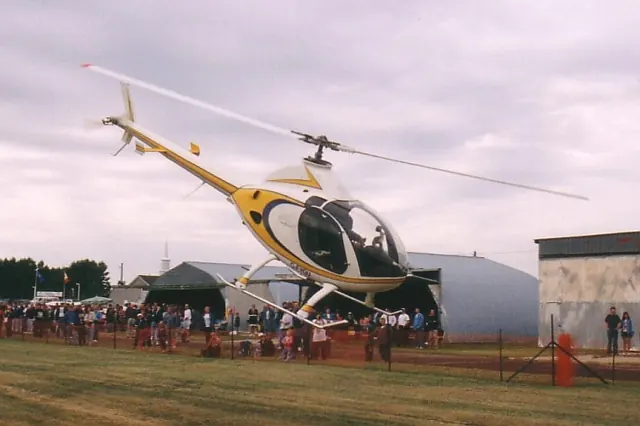
RotorWay's two-seat kit-helicopter family, with piston and turbine simulator interpretations.
1 implementations+ Compare
Explore the aircraft. Find your simulator. Follow the sources.
RotorWay's two-seat kit-helicopter family, with piston and turbine simulator interpretations.
A full-length double-deck airliner built for very high passenger capacity.
The JetRanger and LongRanger family: a familiar turbine-helicopter shape with distinct cabin lengths.
A midsize business jet developed by Bombardier’s Learjet division.
A two-seat naval fighter with variable-sweep wings and a cockpit built around pilot and radar-intercept officer roles.
A modern medium twin-engine helicopter developed as a successor to the Dauphin line.
A huge wooden flying-boat prototype that made one brief flight in 1947.
A DC-10-derived tanker that combined aerial refuelling with passenger and cargo transport.
A single-seat competition sailplane offered in Standard and 18-metre configurations.
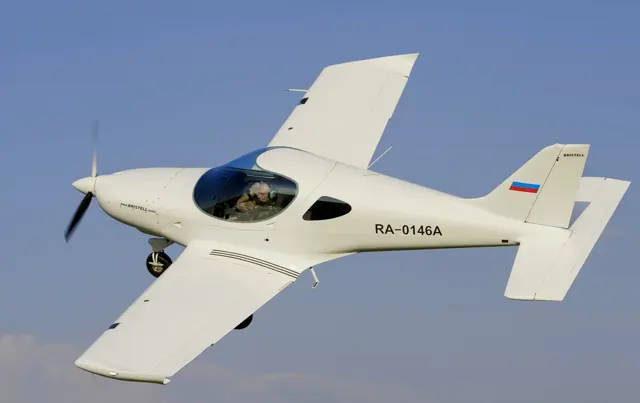
BRM Aero's two-seat B23, represented in MSFS by Airfoillabs.
A high-wing utility turboprop designed for short-field passenger and cargo work.
A regional jet family with four small engines, a high wing and a large split tail airbrake.
A six-engine flying boat created for long-distance passenger travel over water.
A heavy transport helicopter whose two large rotors remove the need for a tail rotor.
The Stationair utility family, combining a high wing with fixed landing gear.
A fixed-gear twin turboprop with a long history in regional and remote-area transport.
The second-generation Harrier, designed around vectored thrust and short-field operation.
A cabin biplane with the lower wing placed ahead of the upper one.
A utility piston twin designed for commuter and specialist transport missions.
A twin-turboprop utility aircraft developed by Reims Aviation with Cessna.
Beechcraft's Model 76, designed to introduce pilots to twin-engine flying.
A 1920s transport family that developed from a single-engine airliner into a trimotor.
A compact utility helicopter distinguished by its enclosed Fenestron tail rotor.
This is AirframeDB’s first release. More features and aircraft research are planned. Leave your email if you’d like occasional updates.