MSFS
Spartan 7W Executive ↗
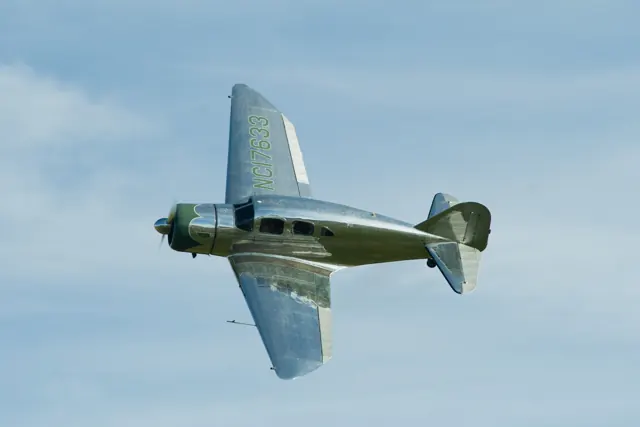
A late-1930s cabin aircraft with metal construction and retractable landing gear.
1 implementations+ Compare
Explore the aircraft. Find your simulator. Follow the sources.
A late-1930s cabin aircraft with metal construction and retractable landing gear.
A large long-haul twin that introduced Boeing's first commercial fly-by-wire airliner flight controls.
A Polish utility aircraft designed for short takeoffs and landings.
A lightweight pusher family with an enclosed cabin and a high, braced wing.
A box-shaped utility twin whose cabin and rear access are central to its design.
A pressurised single-engine turboprop family that combines a compact cabin with retractable gear.
A low-wing agricultural Cessna with a cockpit and hopper arranged around the job.
A large twin-radial transport that carried heavy loads through wartime and post-war freight service.
A modern composite twin with a roomy cabin and two wing-mounted piston engines.
A medium commercial helicopter designed for passenger and utility transport.
A tandem-seat jet trainer that also found a second life in civilian display and racing.
A DC-10-derived tanker that combined aerial refuelling with passenger and cargo transport.
A twin-turbine Huey descendant with a four-blade main rotor.
A swept-wing business jet designed around high subsonic cruise speed.
The purpose-built Ryan monoplane used by Charles Lindbergh for his 1927 solo Atlantic crossing.
A twin-hull flying boat with its engines mounted together above the wing.
A fixed-gear twin turboprop with a long history in regional and remote-area transport.
A composite touring single with a whole-aircraft parachute and several generations of avionics.
A close-air-support aircraft with a straight wing, twin tail and two widely separated jet engines.
A high-wing utility turboprop designed for short-field passenger and cargo work.
A carbon-fibre aerobatic monoplane family with a dedicated air-racing branch.
A huge wooden flying-boat prototype that made one brief flight in 1947.
Beechcraft's Model 76, designed to introduce pilots to twin-engine flying.
The Wilga is the real-aircraft starting point for Mike Patey's DRACO and the simulator's DRACO X.
This is AirframeDB’s first release. More features and aircraft research are planned. Leave your email if you’d like occasional updates.



























